Transmission behavior of shaft-hub connections
Experimental, numerical and analytical transmittability of shaft-hub connections
1 General description
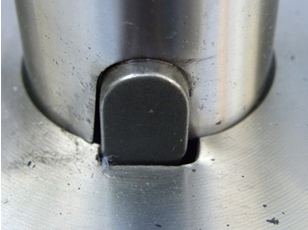
In addition to classical strength investigations, the transmission behavior of shaft-hub connections can be influenced by a variety of factors and can thus be determining for the functionality of the application. For example, slipping of press and conical press connections or wear of grooves in keyway and pin connections leads to loss of function. We advise you on the design of your connection and perform static as well as dynamic investigations. In addition, we support you in the design with numerical analyses (FEM) or analytical calculations (e.g. DIN 7190).
2 Specimens
The standard geometries for shaft-hub connections are available on the rotating cylinder test rig (RCT), the unbalance test rigs (UWP40/50/60) and the magnetic bearing test stand (MLP). The standard test cross-section is Ø 40 mm and can be varied depending on the respective test rig limits. If needed, adapters allow the connection of non-standard specimen geometries to the connection dimensions of the respective test rig.
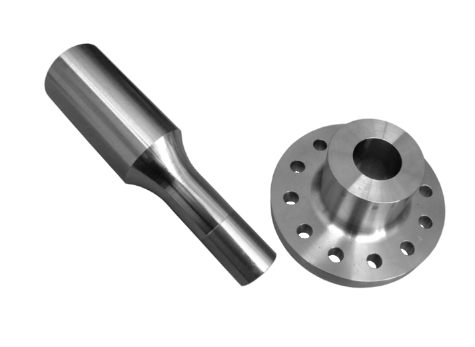

The press and conical press connections for the gear test rig with electrical tensioning (GPeV) are standardly realized via Ø40 mm measurement shafts.
3 Results
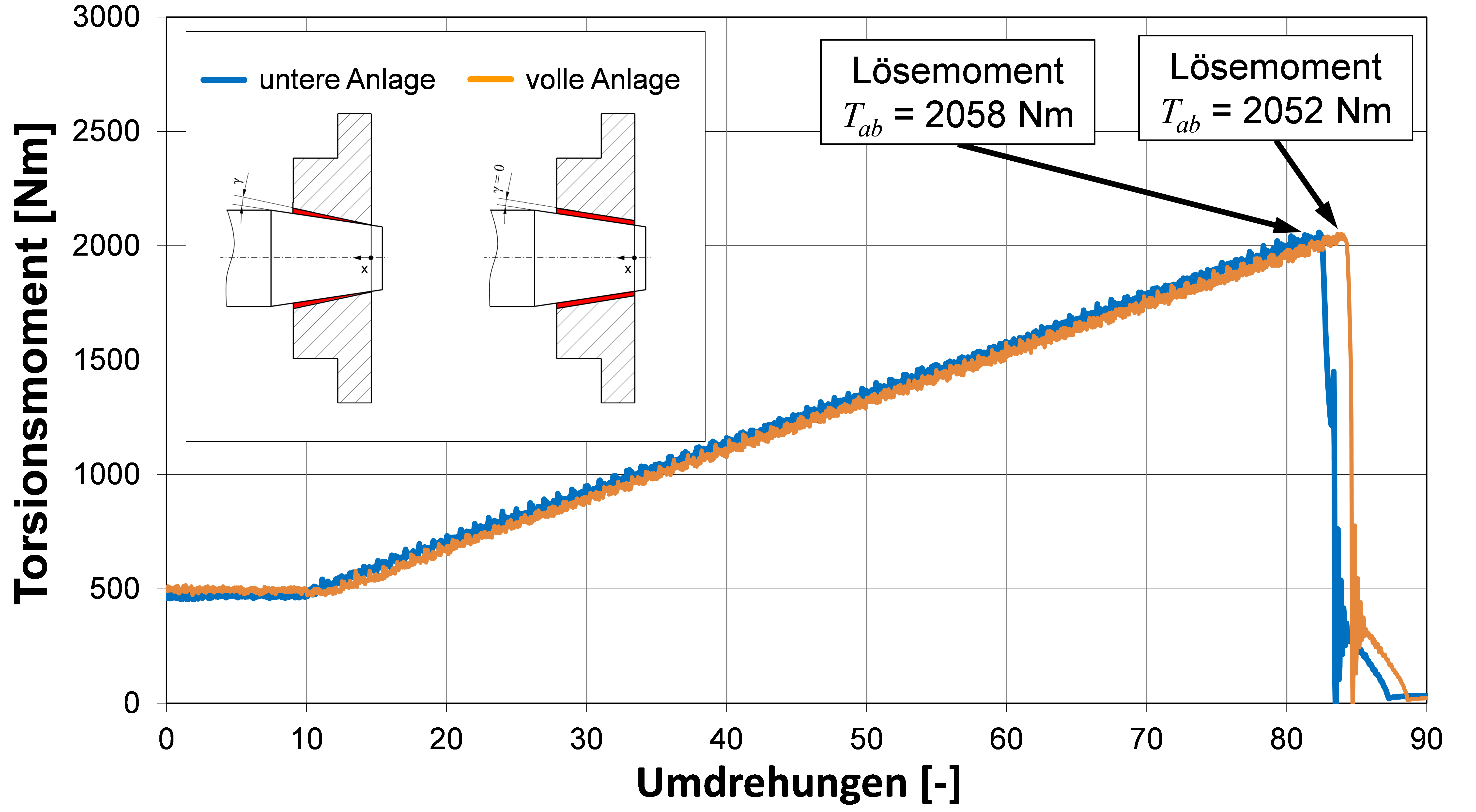
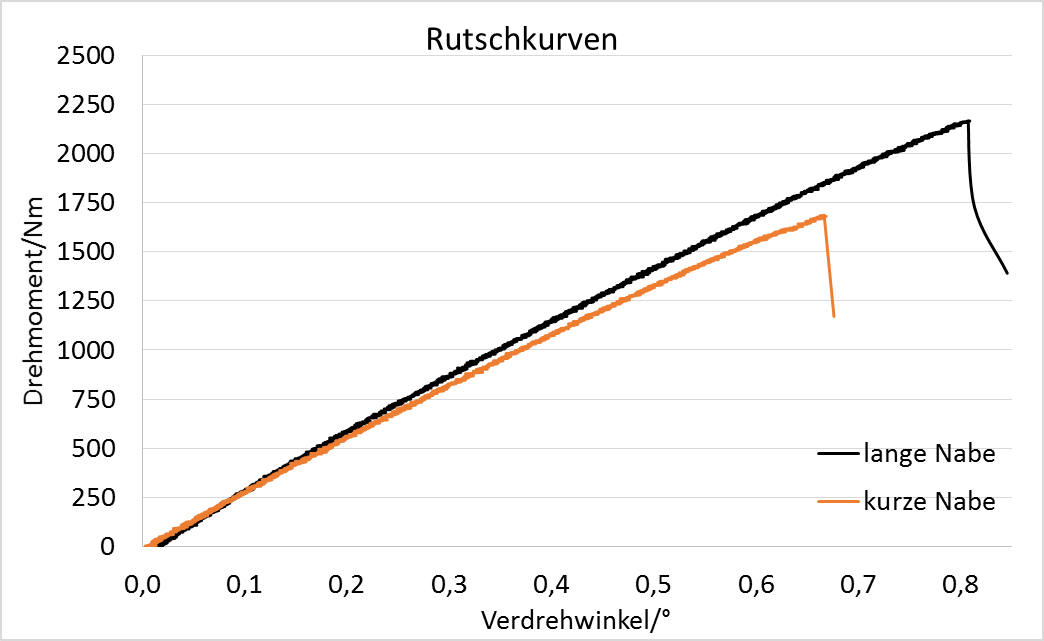
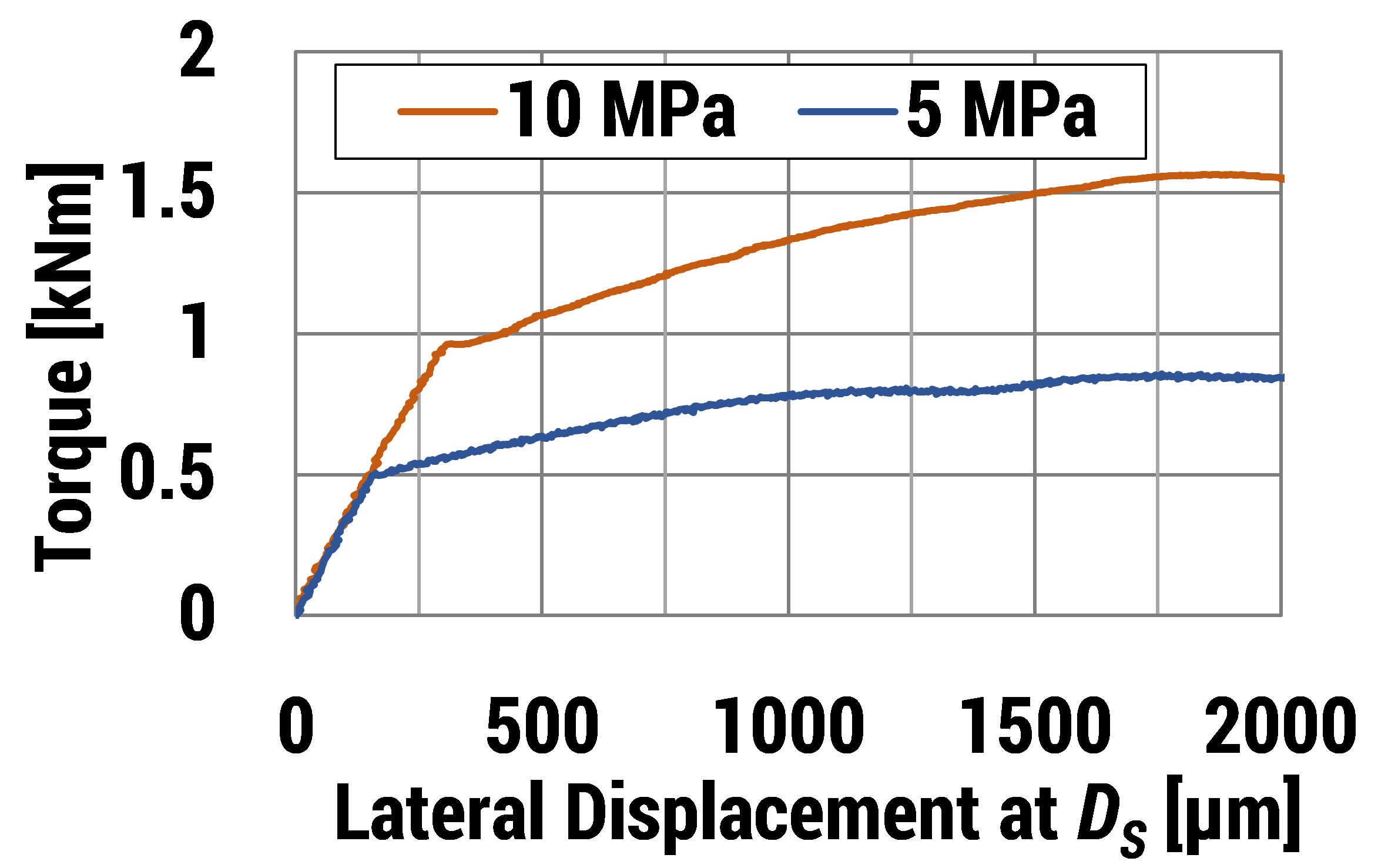
For force-fit connections, investigations into slip torques or removal torques are the primary focus. Furthermore, the torsional stiffnesses of shafts or preferably form-fit shaft-hub connections can be tested.
4 Test rigs
5 Contact

| Prof. Dr. sc. ETH Alexander Hasse | |
| Head of the professorship and director of IKAT, Head of the specialist Research Groups "Tribology" and "Shaft-Hub-Connections" | |
| Email: | alexander.hasse@… |
| Phone: | +49 371 531 36105 |
| Room: | C21.323 (alt: 2/A323) |
| Office hours: | by arrangement |
| 116 publications | |