Publications
Publications
In press / Online first
- Schmitz, M., Rettstatt, J., Suren, M., Brand, D., Seemann, M., & Rey, G. D. (n.d.). Feedback on Study Time and Distraction-Free Learning Environment.
2026
- Beege, M., Krieglstein, F., Wesenberg, L., Loibl, K., & Schneider, S. (2026). Learning from erroneous worked examples: The influence of prompting, scaffolding, and prior knowledge. []. Journal of Educational Psychology, No Pagination Specified–No Pagination Specified. https://doi.org/10.1037/edu0001020
- Krieglstein, F., Schmitz, M., Wesenberg, L., Spitzer, M. W. H., & Rey, G. D. (2026). How a first impression biases cognitive load assessments: Anchoring effects in problem-solving tasks of varying element interactivity. Memory & Cognition, 54(2), 501–514. https://doi.org/10.3758/s13421-025-01764-3
- Krieglstein, F., Wesenberg, L., Schneider, S., & Rey, G. D. (2026). One or many? Evaluating the effectiveness of single-item and multiple-item scales for measuring cognitive load. []. Journal of Educational Psychology, No Pagination Specified–No Pagination Specified. https://doi.org/10.1037/edu0001039
- Wesenberg, L., Krieglstein, F., Jansen, S., Schneider, S., & Rey, G. D. (2026). Mitigating the seductive details effect by topic and irrelevance signals. British Journal of Educational Psychology, 96(1), 382–400. https://doi.org/10.1111/bjep.70022
- Wesenberg, L., Jansen, S., Krieglstein, F., Meusel, F., Schneider, S., Valtin, G., & Rey, G. D. (2026). The more, the worse? The influence of the seductive detail amount on learning. Instructional Science, 54(1). https://doi.org/10.1007/s11251-026-09781-8
2025
- Beege, M., Scheller, N., & Rey, G. D. (2025). Improving learning from instructional videos in primary education: the use of a mindfulness meditation. Current Psychology. https://doi.org/10.1007/s12144-025-07940-7
- Gaebert, C., Rehren, O., Jansen, S., Jahn, K., Ohler, P., Rey, G. D., & Thomas, U. (2025). Effects of Human-Like Characteristics in Sampling-Based Motion Planning on the Legibility of Robot Arm Motions. ACM Transactions on Human-Robot Interaction, 14(3), 1–25. https://doi.org/10.1145/3714475
- Jahn, K., Suren, M., Sanchez-Stockhammer, C., & Rey, G. D. (2025). Influence of narrative settings on learning success in virtual reality games – a case study with “Bridge of Knowledge VR”. Frontiers in Virtual Reality, 6. https://doi.org/10.3389/frvir.2025.1550004
- Krieglstein, F., Beege, M., Wesenberg, L., Rey, G. D., & Schneider, S. (2025). The Distorting Influence of Primacy Effects on Reporting Cognitive Load in Learning Materials of Varying Complexity. Educational Psychology Review, 37(1). https://doi.org/10.1007/s10648-024-09980-0
- Rehren, O., Jansen, S., Seemann, M., & Ohler, P. (2025). Task-related errors as a catalyst for empathy towards embodied pedagogical agents. Frontiers in Virtual Reality, 5. https://doi.org/10.3389/frvir.2024.1412039
- Uziel, L., & Seemann, M. (2025). The alone team: How an alone mindset affects group processes. British Journal of Psychology, 116(3), 553–574. https://doi.org/10.1111/bjop.12777
- Wesenberg, L., Krieglstein, F., Schneider, S., & Rey, G. D. (2025). Seductive Details in Learning Text—Less Harmful if They Are Grouped Together Instead of Interspersed? Applied Cognitive Psychology, 39(3). https://doi.org/10.1002/acp.70065
- Wesenberg, L., Krieglstein, F., Jansen, S., Rey, G. D., & Schneider, S. (2025). Teaching with worked examples – Why the selection of problems for exemplification is critical. Contemporary Educational Psychology, 80. https://doi.org/10.1016/j.cedpsych.2024.102328
- Wesenberg, L., Jansen, S., Krieglstein, F., Schneider, S., & Rey, G. D. (2025). The influence of seductive details in learning environments with low and high extrinsic motivation. Learning and Instruction, 96. https://doi.org/10.1016/j.learninstruc.2024.102054
- Zhang, Z. S., Seemann, M., Joos, R., Suren, M., Fischer, H., & Hofmann, M. (2025). Fostering Creativity Through Game‐Based Approaches: A Scoping Review. The Journal of Creative Behavior, 59(1). https://doi.org/10.1002/jocb.1536
2024
- Beege, M., Nebel, S., Schneider, S., & Rey, G. D. (2024). The effect of micro‐level and macro‐level signalling on learning with 360° videos. Applied Cognitive Psychology, 38(2). https://doi.org/10.1002/acp.4192
- Heidig, S., Beege, M., Rey, G. D., & Schneider, S. (2024). Instructor presence in instructional videos in higher education: three field experiments in university courses. Educational Technology Research and Development, 72(6), 3047–3074. https://doi.org/10.1007/s11423-024-10391-9
- Krieglstein, F., Jansen, S., Meusel, F., Scheller, N., Schmitz, M., Wesenberg, L., & Rey, G. D. (2024). Exploring fonts as retrieval cues in text-based learning. Acta Psychologica, 251. https://doi.org/10.1016/j.actpsy.2024.104606
- Krieglstein, F., Schmitz, M., Wesenberg, L., & Rey, G. (2024). How to Help Students Make Informed Assessments of Cognitive Load: Examining the Role of Training Interventions. Applied Cognitive Psychology, 38(5). https://doi.org/10.1002/acp.4247
- Meusel, F., Scheller, N., Rey, G. D., & Schneider, S. (2024). The influence of content-relevant background color as a retrieval cue on learning with multimedia. Education and Information Technologies. https://doi.org/10.1007/s10639-024-12460-1
- Nebel, S., Beege, M., Schneider, S., & Rey, G. D. (2024). The learning adversary - An experimental investigation of adaptive pedagogical agents as opponents in educational videogames. Learning and Individual Differences, 110. https://doi.org/10.1016/j.lindif.2024.102425
- Stock, A., Stock, O., Mönch, J., Suren, M., Koch, N. N., Rey, G. D., & Wirzberger, M. (2024). BeeLife: a mobile application to foster environmental awareness in classroom settings. Frontiers in Computer Science, 5. https://doi.org/10.3389/fcomp.2023.1298888
- Wesenberg, L., Schmidt, F., Schwintek, S., Jansen, S., Krieglstein, F., Schneider, S., & Rey, G. D. (2024). The effects of counterattitudinal seductive details on learning. Learning and Individual Differences, 116. https://doi.org/10.1016/j.lindif.2024.102567
2023
- Beege, M., Nebel, S., Schneider, S., & Rey, G. D. (2023). The effect of microlevel and macrolevel signaling on learning with 360° videos. Applied Cognitive Psychology, 37(1), 232–246. https://doi.org/10.1002/acp.4023
- Beege, M., Schroeder, N. L., Heidig, S., Rey, G. D., & Schneider, S. (2023). The instructor presence effect and its moderators in instructional video: A series of meta-analyses. Educational Research Review, 41. https://doi.org/10.1016/j.edurev.2023.100564
- Krieglstein, F., Beege, M., Rey, G. D., Sanchez-Stockhammer, C., & Schneider, S. (2023). Development and Validation of a Theory-Based Questionnaire to Measure Different Types of Cognitive Load. Educational Psychology Review, 35(1). https://doi.org/10.1007/s10648-023-09738-0
- Krieglstein, F., Schneider, S., Gröninger, J., Beege, M., Nebel, S., Wesenberg, L., Suren, M., & Rey, G. D. (2023). Exploring the effects of content-related segmentations and metacognitive prompts on learning with whiteboard animations. Computers & Education, 194. https://doi.org/10.1016/j.compedu.2022.104702
- Krieglstein, F., Meusel, F., Rothenstein, E., Scheller, N., Wesenberg, L., & Rey, G. D. (2023). How to insert visual information into a whiteboard animation with a human hand? Effects of different insertion styles on learning. Smart Learning Environments, 10(1). https://doi.org/10.1186/s40561-023-00258-6
- Salamah, S., Brunnett, G., Bräuer, S., Uhlmann, T., Rehren, O., Jahn, K., Milani, T. L., & Rey, G. D. (2023). NaturalWalk: An Anatomy-based Synthesizer for Human Walking Motions: NaturalWalk: Ein Anatomie basierter Generator für menschliche Gehbewegungen. https://nbn-resolving.org/urn:nbn:de:bsz:ch1-qucosa2-854197
- Schneider, S., Krieglstein, F., Beege, M., & Rey, G. D. (2023). Successful learning with whiteboard animations – A question of their procedural character or narrative embedding? Heliyon, 9(2). https://doi.org/10.1016/j.heliyon.2023.e13229
2022
- Beege, M., Krieglstein, F., & Arnold, C. (2022). How instructors influence learning with instructional videos - The importance of professional appearance and communication. Computers & Education, 185. https://doi.org/10.1016/j.compedu.2022.104531
- Krell, M., Xu, K. M., Rey, G. D., & Paas, F. (2022). Editorial: Recent Approaches for Assessing Cognitive Load From a Validity Perspective. Frontiers in Education, 6. https://doi.org/10.3389/feduc.2021.838422
- Krieglstein, F., Beege, M., Rey, G. D., Ginns, P., Krell, M., & Schneider, S. (2022). A Systematic Meta-analysis of the Reliability and Validity of Subjective Cognitive Load Questionnaires in Experimental Multimedia Learning Research. Educational Psychology Review, 34(4), 2485–2541. https://doi.org/10.1007/s10648-022-09683-4
- Krieglstein, F., Schneider, S., Beege, M., & Rey, G. D. (2022). How the design and complexity of concept maps influence cognitive learning processes. Educational Technology Research and Development, 70(1), 99–118. https://doi.org/10.1007/s11423-022-10083-2
- Schneider, S., Beege, M., Nebel, S., Schnaubert, L., & Rey, G. D. (2022). The Cognitive-Affective-Social Theory of Learning in digital Environments (CASTLE). Educational Psychology Review, 34(1), 1–38. https://doi.org/10.1007/s10648-021-09626-5
- Schneider, S., Krieglstein, F., Beege, M., & Rey, G. D. (2022). The impact of video lecturers’ nonverbal communication on learning – An experiment on gestures and facial expressions of pedagogical agents. Computers & Education, 176. https://doi.org/10.1016/j.compedu.2021.104350
- Schneider, S., Nebel, S., Meyer, S., & Rey, G. D. (2022). The interdependency of perceived task difficulty and the choice effect when learning with multimedia materials. Journal of Educational Psychology, 114(3), 443–461. https://doi.org/10.1037/edu0000686
- Skulmowski, A., Nebel, S., Remmele, M., & Rey, G. D. (2022). Is a Preference for Realism Really Naive After All? A Cognitive Model of Learning with Realistic Visualizations. Educational Psychology Review, 34(2), 649–675. https://doi.org/10.1007/s10648-021-09638-1
- Wesenberg, L., Krieglstein, F., Jansen, S., Rey, G. D., Beege, M., & Schneider, S. (2022). The influence of the order and congruency of correct and erroneous worked examples on learning and (meta-)cognitive load. Frontiers in Psychology, 13. https://doi.org/10.3389/fpsyg.2022.1032003
2021
- Beege, M., Nebel, S., Schneider, S., & Rey, G. D. (2021). Correction to: The effect of signaling in dependence on the extraneous cognitive load in learning environments. Cognitive Processing, 22(4), 735–735. https://doi.org/10.1007/s10339-021-01051-4
- Beege, M., Krieglstein, F., Schneider, S., Nebel, S., & Rey, G. D. (2021). Is There a (Dis-)Fluency Effect in Learning With Handwritten Instructional Texts? Evidence From Three Studies. Frontiers in Education, 6. https://doi.org/10.3389/feduc.2021.678798
- Beege, M., Schneider, S., Nebel, S., Zimm, J., Windisch, S., & Rey, G. D. (2021). Learning programming from erroneous worked-examples. Which type of error is beneficial for learning? Learning and Instruction, 75. https://doi.org/10.1016/j.learninstruc.2021.101497
- Beege, M., Nebel, S., Schneider, S., & Rey, G. D. (2021). The effect of signaling in dependence on the extraneous cognitive load in learning environments. Cognitive Processing, 22(2), 209–225. https://doi.org/10.1007/s10339-020-01002-5
- Schneider, S., Krieglstein, F., Beege, M., & Rey, G. D. (2021). How organization highlighting through signaling, spatial contiguity and segmenting can influence learning with concept maps. Computers and Education Open, 2. https://doi.org/10.1016/j.caeo.2021.100040
2020
- Beege, M., Wirzberger, M., Nebel, S., Schneider, S., Schmidt, N., & Rey, G. D. (2020). Corrigendum: Spatial Continuity Effect vs. Spatial Contiguity Failure. Revising the Effects of Spatial Proximity Between Related and Unrelated Representations. Frontiers in Education, 5. https://doi.org/10.3389/feduc.2020.00046
- Beege, M., Schneider, S., Nebel, S., & Rey, G. D. (2020). Does the effect of enthusiasm in a pedagogical Agent’s voice depend on mental load in the Learner’s working memory? Computers in Human Behavior, 112. https://doi.org/10.1016/j.chb.2020.106483
- Beege, M., Ninaus, M., Schneider, S., Nebel, S., Schlemmel, J., Weidenmüller, J., Moeller, K., & Rey, G. D. (2020). Investigating the effects of beat and deictic gestures of a lecturer in educational videos. Computers & Education, 156. https://doi.org/10.1016/j.compedu.2020.103955
- Nebel, S., Beege, M., Schneider, S., & Rey, G. D. (2020). A Review of Photogrammetry and Photorealistic 3D Models in Education From a Psychological Perspective. Frontiers in Education, 5. https://doi.org/10.3389/feduc.2020.00144
- Nebel, S., Beege, M., Schneider, S., & Rey, G. D. (2020). Competitive Agents and Adaptive Difficulty Within Educational Video Games. Frontiers in Education, 5. https://doi.org/10.3389/feduc.2020.00129
- Schneider, S., Nebel, S., Beege, M., & Rey, G. D. (2020). The retrieval-enhancing effects of decorative pictures as memory cues in multimedia learning videos and subsequent performance tests. Journal of Educational Psychology, 112(6), 1111–1127. https://doi.org/10.1037/edu0000432
- Skulmowski, A., & Rey, G. D. (2020). COVID ‐19 as an accelerator for digitalization at a German university: Establishing hybrid campuses in times of crisis. Human Behavior and Emerging Technologies, 2(3), 212–216. https://doi.org/10.1002/hbe2.201
- Skulmowski, A., & Rey, G. D. (2020). Subjective cognitive load surveys lead to divergent results for interactive learning media. Human Behavior and Emerging Technologies, 2(2), 149–157. https://doi.org/10.1002/hbe2.184
- Skulmowski, A., & Rey, G. D. (2020). The realism paradox: Realism can act as a form of signaling despite being associated with cognitive load. Human Behavior and Emerging Technologies, 2(3), 251–258. https://doi.org/10.1002/hbe2.190
- Wirzberger, M., Borst, J. P., Krems, J. F., & Rey, G. D. (2020). Memory-related cognitive load effects in an interrupted learning task: A model-based explanation. Trends in Neuroscience and Education, 20. https://doi.org/10.1016/j.tine.2020.100139
2019
- Beege, M., Nebel, S., Schneider, S., & Rey, G. D. (2019). Social entities in educational videos: Combining the effects of addressing and professionalism. Computers in Human Behavior, 93, 40–52. https://doi.org/10.1016/j.chb.2018.11.051
- Beege, M., Wirzberger, M., Nebel, S., Schneider, S., Schmidt, N., & Rey, G. D. (2019). Spatial Continuity Effect vs. Spatial Contiguity Failure. Revising the Effects of Spatial Proximity Between Related and Unrelated Representations. Frontiers in Education, 4. https://doi.org/10.3389/feduc.2019.00086
- Mikheeva, M., Schneider, S., Beege, M., & Rey, G. D. (2019). Boundary conditions of the politeness effect in online mathematical learning. Computers in Human Behavior, 92, 419–427. https://doi.org/10.1016/j.chb.2018.11.028
- Rey, G. D., Beege, M., Nebel, S., Wirzberger, M., Schmitt, T. H., & Schneider, S. (2019). A Meta-analysis of the Segmenting Effect. Educational Psychology Review, 31(2), 389–419. https://doi.org/10.1007/s10648-018-9456-4
- Schneider, S., Wirzberger, M., & Rey, G. D. (2019). The moderating role of arousal on the seductive detail effect in a multimedia learning setting. Applied Cognitive Psychology, 33(1), 71–84. https://doi.org/10.1002/acp.3473
- Schneider, S., Häßler, A., Habermeyer, T., Beege, M., & Rey, G. D. (2019). The more human, the higher the performance? Examining the effects of anthropomorphism on learning with media. Journal of Educational Psychology, 111(1), 57–72. https://doi.org/10.1037/edu0000273
- Wirzberger, M., Schmidt, R., Georgi, M., Hardt, W., Brunnett, G., & Rey, G. D. (2019). Effects of system response delays on elderly humans’ cognitive performance in a virtual training scenario. Scientific Reports, 9(1). https://doi.org/10.1038/s41598-019-44718-x
2018
- Beege, M., Schneider, S., Nebel, S., Häßler, A., & Rey, G. D. (2018). Mood-affect congruency. Exploring the relation between learners’ mood and the affective charge of educational videos. Computers & Education, 123, 85–96. https://doi.org/10.1016/j.compedu.2018.05.001
- Schneider, S., Beege, M., Nebel, S., & Rey, G. D. (2018). A meta-analysis of how signaling affects learning with media. Educational Research Review, 23, 1–24. https://doi.org/10.1016/j.edurev.2017.11.001
- Schneider, S., Nebel, S., Beege, M., & Rey, G. D. (2018). Anthropomorphism in decorative pictures: Benefit or harm for learning? Journal of Educational Psychology, 110(2), 218–232. https://doi.org/10.1037/edu0000207
- Schneider, S., Dyrna, J., Meier, L., Beege, M., & Rey, G. D. (2018). How affective charge and text–picture connectedness moderate the impact of decorative pictures on multimedia learning. Journal of Educational Psychology, 110(2), 233–249. https://doi.org/10.1037/edu0000209
- Schneider, S., Nebel, S., Beege, M., & Rey, G. D. (2018). The autonomy-enhancing effects of choice on cognitive load, motivation and learning with digital media. Learning and Instruction, 58, 161–172. https://doi.org/10.1016/j.learninstruc.2018.06.006
- Skulmowski, A., & Rey, G. D. (2018). Adjusting Sample Sizes for Different Categories of Embodied Cognition Research. Frontiers in Psychology, 9. https://doi.org/10.3389/fpsyg.2018.02384
- Skulmowski, A., & Rey, G. D. (2018). Embodied learning: introducing a taxonomy based on bodily engagement and task integration. Cognitive Research: Principles and Implications, 3(1). https://doi.org/10.1186/s41235-018-0092-9
- Skulmowski, A., & Rey, G. D. (2018). Realistic details in visualizations require color cues to foster retention. Computers & Education, 122, 23–31. https://doi.org/10.1016/j.compedu.2018.03.012
- Wirzberger, M., & Rey, G. D. (2018). Attention please! Enhanced attention control abilities compensate for instructional impairments in multimedia learning. Journal of Computers in Education, 5(2), 243–257. https://doi.org/10.1007/s40692-018-0106-0
- Wirzberger, M., Herms, R., Esmaeili Bijarsari, S., Eibl, M., & Rey, G. D. (2018). Schema-related cognitive load influences performance, speech, and physiology in a dual-task setting: A continuous multi-measure approach. Cognitive Research: Principles and Implications, 3(1). https://doi.org/10.1186/s41235-018-0138-z
2017
- Beege, M., Schneider, S., Nebel, S., Mittangk, J., & Rey, G. D. (2017). Ageism – Age coherence within learning material fosters learning. Computers in Human Behavior, 75, 510–519. https://doi.org/10.1016/j.chb.2017.05.042
- Beege, M., Schneider, S., Nebel, S., & Rey, G. D. (2017). Look into my eyes! Exploring the effect of addressing in educational videos. Learning and Instruction, 49, 113–120. https://doi.org/10.1016/j.learninstruc.2017.01.004
- Nebel, S., Schneider, S., Schledjewski, J., & Rey, G. D. (2017). Goal-Setting in Educational Video Games : Comparing Goal-Setting Theory and the Goal-Free Effect. Simulation & Gaming, 48(1), 98–130. https://doi.org/10.1177/1046878116680869
- Nebel, S., Schneider, S., Beege, M., & Rey, G. D. (2017). Leaderboards within educational videogames: The impact of difficulty, effort and gameplay. Computers & Education, 113, 28–41. https://doi.org/10.1016/j.compedu.2017.05.011
- Nebel, S., Schneider, S., Beege, M., Kolda, F., Mackiewicz, V., & Rey, G. D. (2017). You cannot do this alone! Increasing task interdependence in cooperative educational videogames to encourage collaboration. Educational Technology Research and Development, 65(4), 993–1014. https://doi.org/10.1007/s11423-017-9511-8
- Nieding, G., Ohler, P., Diergarten, A. K., Möckel, T., Rey, G. D., & Schneider, W. (2017). The Development of Media Sign Literacy—A Longitudinal Study With 4-Year-Old Children. Media Psychology, 20(3), 401–427. https://doi.org/10.1080/15213269.2016.1202773
- Skulmowski, A., & Rey, G. D. (2017). Bodily Effort Enhances Learning and Metacognition: Investigating the Relation Between Physical Effort and Cognition Using Dual-Process Models of Embodiment. Advances in Cognitive Psychology, 13(1), 3–10. https://doi.org/10.5709/acp-0202-9
- Skulmowski, A., & Rey, G. D. (2017). Measuring Cognitive Load in Embodied Learning Settings. Frontiers in Psychology, 8. https://doi.org/10.3389/fpsyg.2017.01191
- Wirzberger, M., Esmaeili Bijarsari, S., & Rey, G. D. (2017). Embedded interruptions and task complexity influence schema-related cognitive load progression in an abstract learning task. Acta Psychologica, 179, 30–41. https://doi.org/10.1016/j.actpsy.2017.07.001
2016
- Nebel, S., Schneider, S., & Rey, G. D. (2016). From duels to classroom competition: Social competition and learning in educational videogames within different group sizes. Computers in Human Behavior, 55, 384–398. https://doi.org/10.1016/j.chb.2015.09.035
- Nebel, S., Beege, M., Schneider, S., & Rey, G. D. (2016). The higher the score, the higher the learning outcome? Heterogeneous impacts of leaderboards and choice within educational videogames. Computers in Human Behavior, 65, 391–401. https://doi.org/10.1016/j.chb.2016.08.042
- Schneider, S., Nebel, S., & Rey, G. D. (2016). Decorative pictures and emotional design in multimedia learning. Learning and Instruction, 44, 65–73. https://doi.org/10.1016/j.learninstruc.2016.03.002
- Skulmowski, A., Pradel, S., Kühnert, T., Brunnett, G., & Rey, G. D. (2016). Embodied learning using a tangible user interface: The effects of haptic perception and selective pointing on a spatial learning task. Computers & Education, 92-93, 64–75. https://doi.org/10.1016/j.compedu.2015.10.011
- Skulmowski, A., Augustin, Y., Pradel, S., Nebel, S., Schneider, S., & Rey, G. D. (2016). The negative impact of saturation on website trustworthiness and appeal: A temporal model of aesthetic website perception. Computers in Human Behavior, 61, 386–393. https://doi.org/10.1016/j.chb.2016.03.054
- Wirzberger, M., Beege, M., Schneider, S., Nebel, S., & Rey, G. D. (2016). One for all?! Simultaneous examination of load-inducing factors for advancing media-related instructional research. Computers & Education, 100, 18–31. https://doi.org/10.1016/j.compedu.2016.04.010
2015
- Schneider, S., Nebel, S., Pradel, S., & Rey, G. D. (2015). Introducing the familiarity mechanism: A unified explanatory approach for the personalization effect and the examination of youth slang in multimedia learning. Computers in Human Behavior, 43, 129–138. https://doi.org/10.1016/j.chb.2014.10.052
- Schneider, S., Nebel, S., Pradel, S., & Rey, G. D. (2015). Mind your Ps and Qs! How polite instructions affect learning with multimedia. Computers in Human Behavior, 51, 546–555. https://doi.org/10.1016/j.chb.2015.05.025
2014
- Rey, G. D. (2014). Seductive details and attention distraction – An eye tracker experiment. Computers in Human Behavior, 32, 133–144. https://doi.org/10.1016/j.chb.2013.11.017
2013
- Rey, G. D., & Fischer, A. (2013). The expertise reversal effect concerning instructional explanations. Instructional Science, 41(2), 407–429. https://doi.org/10.1007/s11251-012-9237-2
- Rey, G. D., & Steib, N. (2013). The personalization effect in multimedia learning: The influence of dialect. Computers in Human Behavior, 29(5), 2022–2028. https://doi.org/10.1016/j.chb.2013.04.003
2012
- Munk, C., Rey, G. D., Diergarten, A. K., Nieding, G., Schneider, W., & Ohler, P. (2012). Cognitive Processing of Film Cuts Among 4- to 8-Year-Old Children : An Eye Tracker Experiment. European Psychologist, 17(4), 257–265. https://doi.org/10.1027/1016-9040/a000098
- Rey, G. D. (2012). A review of research and a meta-analysis of the seductive detail effect. Educational Research Review, 7(3), 216–237. https://doi.org/10.1016/j.edurev.2012.05.003
2011
- Rey, G. D. (2011). Interactive elements for dynamically linked multiple representations in computer simulations. Applied Cognitive Psychology, 25(1), 12–19. https://doi.org/10.1002/acp.1633
- Rey, G. D., & Buchwald, F. (2011). The expertise reversal effect: Cognitive load and motivational explanations. Journal of Experimental Psychology: Applied, 17(1), 33–48. https://doi.org/10.1037/a0022243
- Rey, G. D. (2011). Time advice and learning questions in computer simulations. Australasian Journal of Educational Technology, 27(3). https://doi.org/10.14742/ajet.951
2010
- Rey, G. D., & Diehl, S. (2010). Controlling Presentation Speed, Labels, and Tooltips in Interactive Animations. Journal of Media Psychology, 22(4), 160–170. https://doi.org/10.1027/1864-1105/a000021
- Rey, G. D. (2010). Instructional advice, time advice and learning questions in computer simulations. Australasian Journal of Educational Technology, 26(5). https://doi.org/10.14742/ajet.1058
- Rey, G. D. (2010). Reading direction and signaling in a simple computer simulation. Computers in Human Behavior, 26(5), 1176–1182. https://doi.org/10.1016/j.chb.2010.03.027
2024
- Rey, G. D., & Beege, M. (2024). Lehren und lernen mit digitalen Medien: Theorien und Design (G. D. Rey, M. Beege, G. D. Rey, & M. Beege, eds.). Hogrefe. https://d-nb.info/1332047580/04
2023
- Krieglstein, F., Rey, G. D., Schneider, S., & Stiller, K. D. (2023). Measuring Cognitive Load – Opportunities and Challenges: Messung der kognitiven Belastung – Chancen und Herausforderungen (G. D. Rey, S. Schneider, K. D. Stiller, G. D. Rey, S. Schneider, & K. D. Stiller, eds.). https://nbn-resolving.org/urn:nbn:de:bsz:ch1-qucosa2-866050
- Salamah, S., Brunnett, G., Bräuer, S., Uhlmann, T., Rehren, O., Jahn, K., Milani, T. L., & Rey, G. D. (2023). NaturalWalk: An Anatomy-based Synthesizer for Human Walking Motions. Technische Universität Chemnitz. https://nbn-resolving.org/urn:nbn:de:bsz:ch1-qucosa2-854197
2022
- Jahn, K., Rehren, O., Schneider, S., Ohler, P., & Rey, G. D. (2022). Emotional Capabilities of Conversational Agents: A Review. Universitätsbibliothek der RWTH Aachen. https://doi.org/10.18154/RWTH-CONV-245976
- Mikheeva, M., Rey, G. D., Ohler, P., & Stiller, K. (2022). The influence of politeness and decorative pictures on multimedia learning in the field of mathematics: Der Einfluss von Höflichkeit und dekorativen Bildern auf das Multimediale Lernen im Bereich Mathematik (G. D. Rey, P. Ohler, K. Stiller, G. D. Rey, P. Ohler, & K. Stiller, Eds.). https://nbn-resolving.org/urn:nbn:de:bsz:ch1-qucosa2-792603
- Rehren, O., Jahn, K., Schneider, S., Forner, L., Rey, G. D., & Ohler, P. (2022). Creating an anthropomorphism questionnaire - A multidimensional approach. Universitätsbibliothek der RWTH Aachen. https://doi.org/10.18154/RWTH-CONV-245968
2020
- Wachsmuth, C., Rey, G. D., & Ohler, P. (2020). Computerbasiertes Lernen mit Aufmerksamkeitsdefizit: Unterstützung des selbstregulierten Lernens durch metakognitive Prompts (G. D. Rey, P. Ohler, G. D. Rey, & P. Ohler, eds.). https://nbn-resolving.org/urn:nbn:de:bsz:ch1-qucosa2-712765
2019
- Beege, M., Rey, G. D., & Sedlmeier, P. (2019). Parasocial Learning - The Impacts of Social Entities in Learning with Educational Videos: Parasoziales Lernen – Der Einfluss von sozialen Entitäten in Lehr-/Lernvideos (G. D. Rey, P. Sedlmeier, G. D. Rey, & P. Sedlmeier, Eds.). https://nbn-resolving.org/urn:nbn:de:bsz:ch1-qucosa2-328094
- Herms, R., Eibl, M., & Rey, G. D. (2019). Effective Speech Features for Cognitive Load Assessment: Classification and Regression: Relevante akustische Sprachmerkmale zur automatischen Erkennung von kognitiver Belastung: Klassifikation und Regression (M. Eibl, G. D. Rey, M. Eibl, & G. D. Rey, Eds.). Universitätsverlag Chemnitz. https://nbn-resolving.org/urn:nbn:de:bsz:ch1-qucosa2-333464
- Koban, K., Ohler, P., & Rey, G. D. (2019). Interactivity as Dynamic Demand: A Conceptual, Methodological, and Empirical Foundation for an Innovative Approach to Study Video Games (P. Ohler, G. D. Rey, P. Ohler, & G. D. Rey, Eds.). https://nbn-resolving.org/urn:nbn:de:bsz:ch1-qucosa2-364590
- Nebel, S., Pietschmann, D., Schneider, S., Koban, K., Beege, M., Skulmowski, A., Ohler, P., & Rey, G. D. (2019). Proceedings of the Media Psychology Division. 11th Conference of the Media Psychology Division 2019, German Psychological Society: Konferenzband der Fachgruppe Medienpsychologie. 11te Konferenz der Fachgruppe Medienpsychologie, Deutsche Gesellschaft für Psychologie (S. Nebel, D. Pietschmann, S. Schneider, K. Koban, M. Beege, A. Skulmowski, P. Ohler, G. D. Rey, S. Nebel, D. Pietschmann, S. Schneider, K. Koban, M. Beege, A. Skulmowski, P. Ohler, & G. D. Rey, Eds.). Universitätsverlag Chemnitz. https://nbn-resolving.org/urn:nbn:de:bsz:ch1-qucosa2-343508
- Skulmowski, A., Rey, G. D., & Ohler, P. (2019). Bridging the gap between embodied cognition and cognitive load theory (G. D. Rey, P. Ohler, G. D. Rey, & P. Ohler, Eds.). https://nbn-resolving.org/urn:nbn:de:bsz:ch1-qucosa2-353589
- Wirzberger, M., Rey, G. D., & Krems, J. F. (2019). Load-inducing factors in instructional design: Process-related advances in theory and assessment (G. D. Rey, J. F. Krems, G. D. Rey, & J. F. Krems, Eds.). https://nbn-resolving.org/urn:nbn:de:bsz:ch1-qucosa2-327030
2018
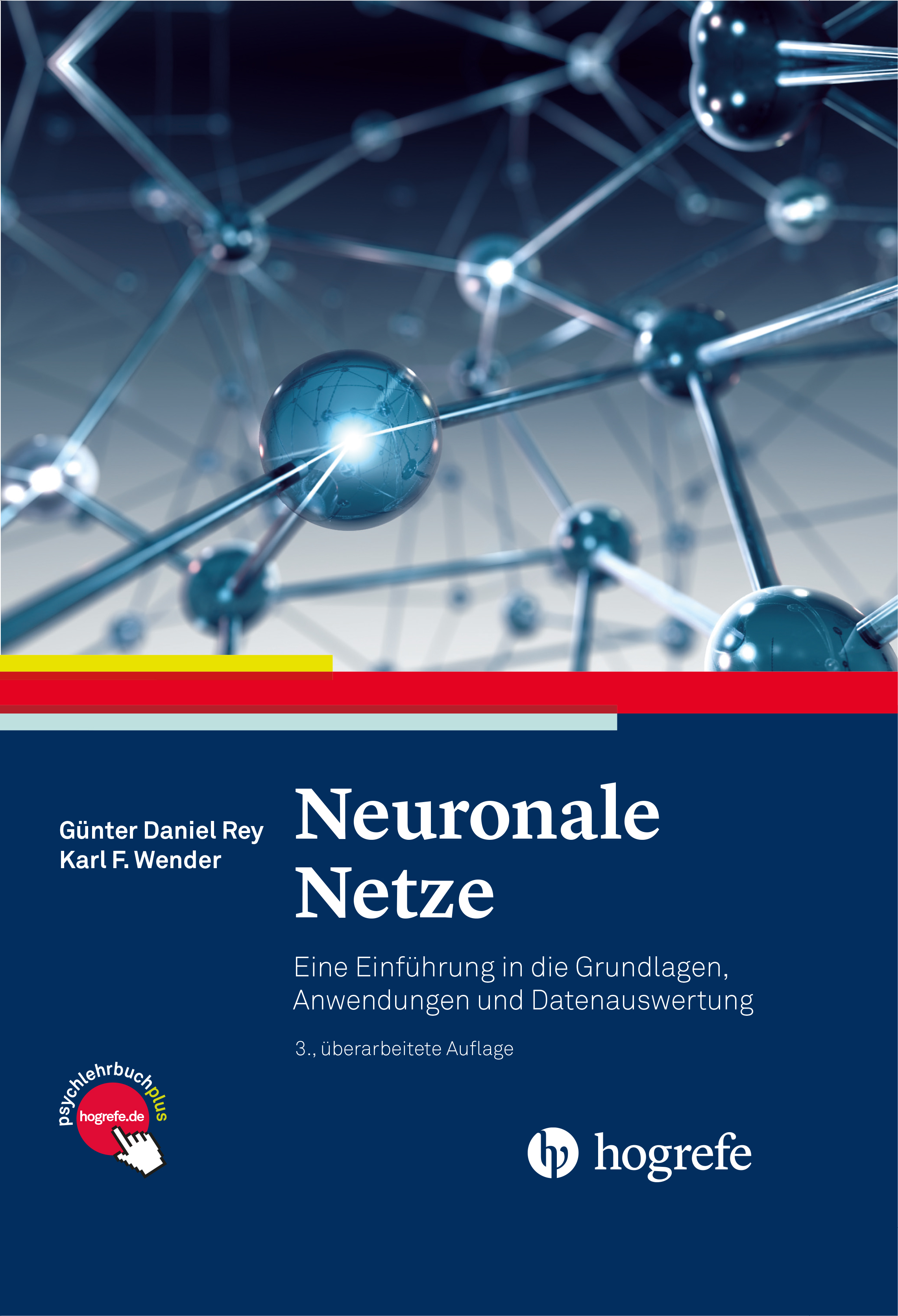
- Rey, G. D., & Wender, K. F. (2018). Neuronale Netze: eine Einführung in die Grundlagen, Anwendungen und Datenauswertung. Hogrefe. https://elibrary.hogrefe.com/book/10.1024/85796-000
2017
- Schneider, S., Rey, G. D., Plass, J. L., & Stiller, K. D. (2017). The impact of decorative pictures on learning with media: Der Einfluss dekorativer Bilder auf das Lernen mit Medien (G. D. Rey, J. L. Plass, K. D. Stiller, G. D. Rey, J. L. Plass, & K. D. Stiller, Eds.). https://nbn-resolving.org/urn:nbn:de:bsz:ch1-qucosa-227399
2015
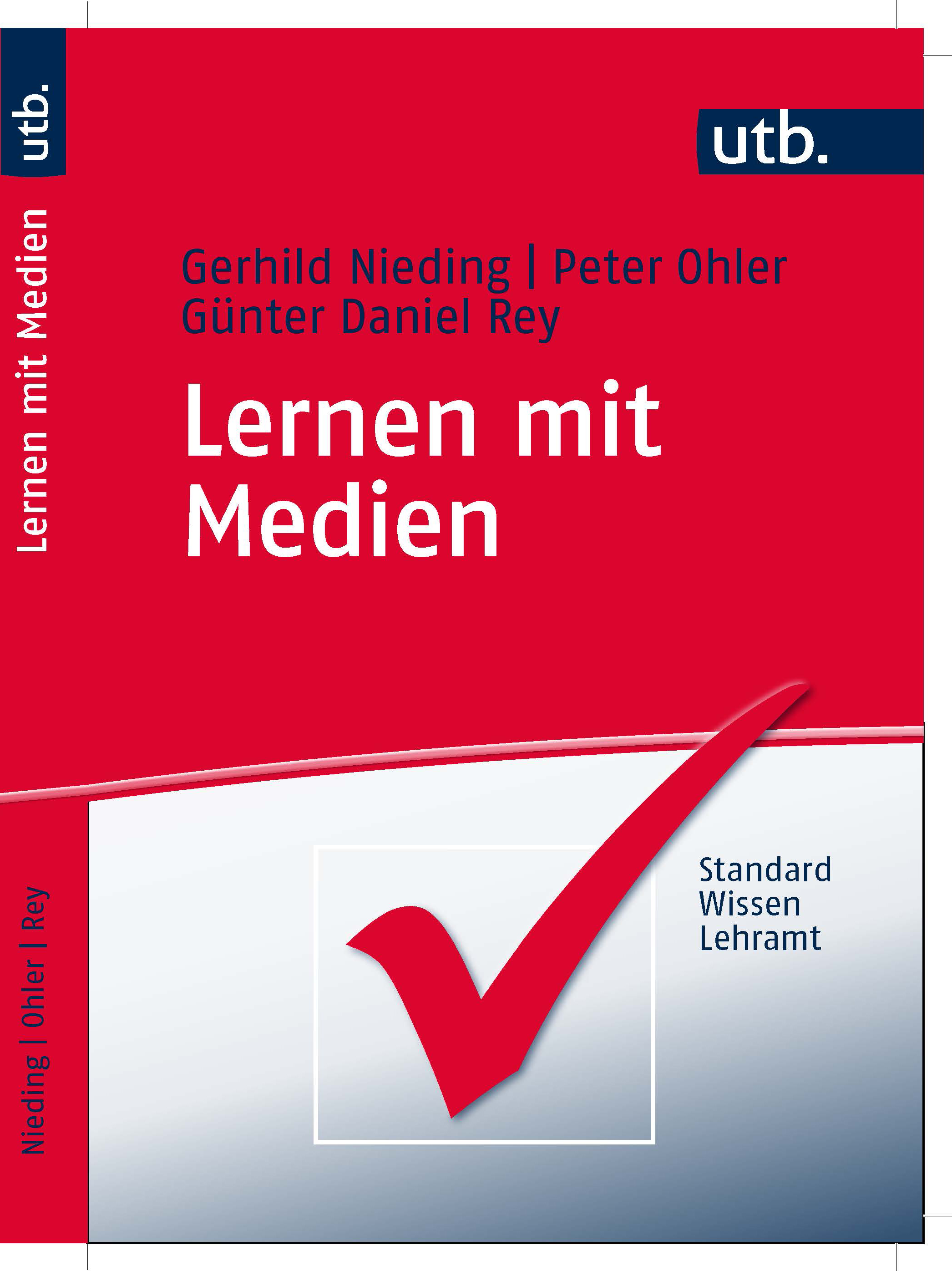
- Nieding, G., Ohler, P., & Rey, G. D. (2015). Lernen mit Medien. Schöningh. https://elibrary.utb.de/doi/book/10.36198/9783838540016
2012
- Rey, G. D. (2012). Methoden der Entwicklungspsychologie: Datenerhebung und Datenauswertung. Books on Demand. http://deposit.dnb.de/cgi-bin/dokserv?id=4063991&prov=M&dok_var=1&dok_ext=htm
2011
- Rey, G. D., & Wender, K. F. (2011). Neuronale Netze: eine Einführung in die Grundlagen, Anwendungen und Datenauswertung. Verlag Hans Huber. http://deposit.dnb.de/cgi-bin/dokserv?id=3498767&prov=M&dok_var=1&dok_ext=htm
2009
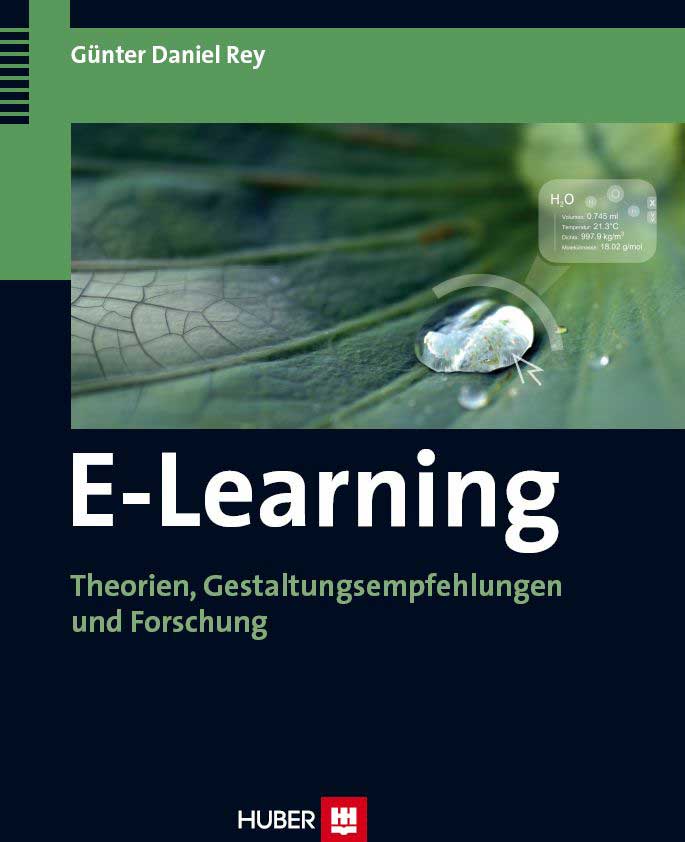
- Rey, G. D. (2009). E-Learning: Theorien, Gestaltungsempfehlungen und Forschung. Verlag Hans Huber. https://swbplus.bsz-bw.de/bsz308993012inh.htm
2008
- Rey, G. D., & Wender, K. F. (2008). Neuronale Netze: eine Einführung in die Grundlagen, Anwendungen und Datenauswertung. Verlag Hans Huber. https://elibrary.hogrefe.de/book/99.110005/9783456945132
- Jahn, K., Rehren, O., Kordyaka, B., Jansen, S., Ohler, P., & Rey, G. D. (2026). Designing computer-mediated communication with affective technology to increase feedback acceptance. In Advances in Science, Technology & Innovation. Springer Nature Switzerland. https://doi.org/10.1007/978-3-032-03488-5_35
- Jansen, S., Rehren, O., Jahn, K., Ohler, P., & Rey, G. D. (2026). Make it more human! A systematic literature review of the anthropomorphic processes on empathy. In Advances in Science, Technology & Innovation. Springer Nature Switzerland. https://doi.org/10.1007/978-3-032-03488-5_23
- Jahn, K., Krieglstein, F., Chuang, L. L., & Rey, G. D. (2023). Building an appropriate level of trust with conversational agents as team partners for learning. In Engineering for a changing world. https://doi.org/10.22032/dbt.58916