
Research at the chair
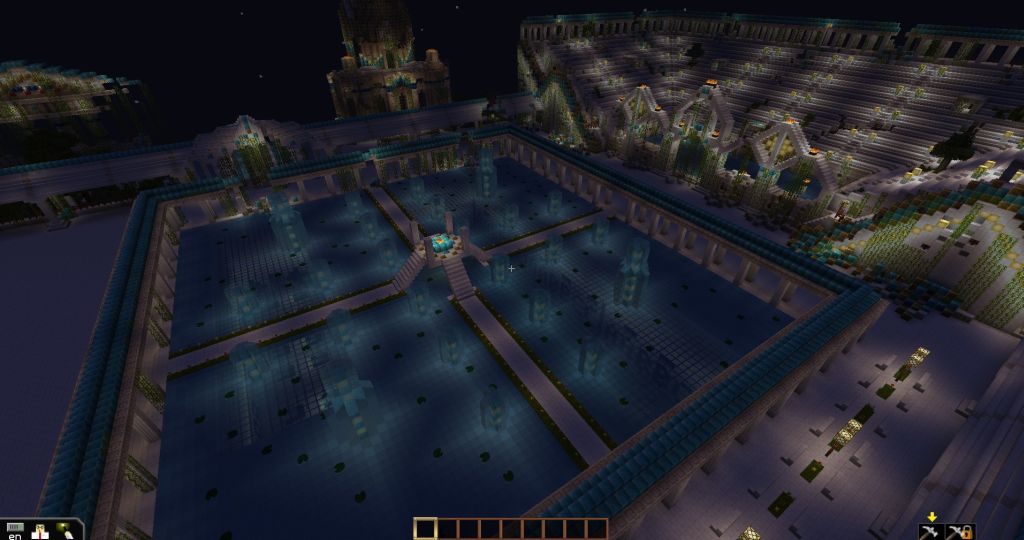
"Serious Games" or Educational Videogames are part of the research field at the department Psychology of learning with digital media. Empirical studies are performed and closely linked to lectures and doctorates. In these studies software like "Minecraft" or the "Unreal Engine" is used in order to achieve results about educational psychology and instructional game design which are close to reality.
| Screenshots Educational Videogames | ||
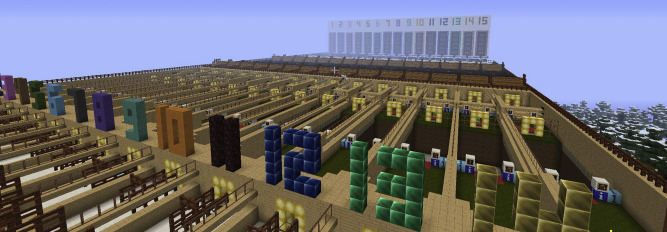
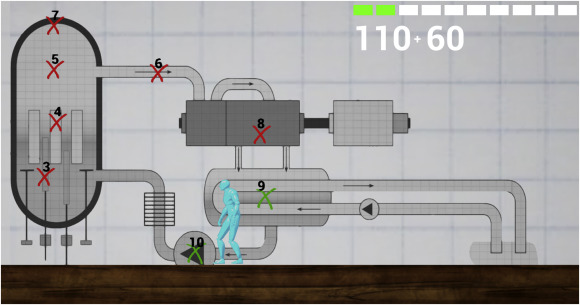
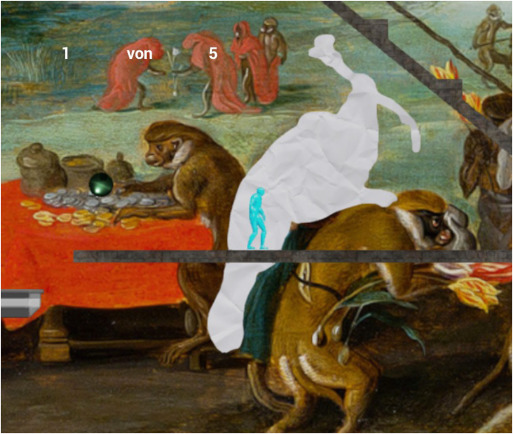
| Screenshots MinecraftEDU Atlantis | ||


Welche Rolle spielen Interaktivität, Bewegungen und der eigene Körper beim Lernen mit digitalen Medien? Im Laufe der Jahre hat sich die Kommunikation zwischen dem Computer und dem Benutzer meist auf die Verwendung von Maus und Tastatur beschränkt. Diese traditionellen Hilfsmittel werden den Wünschen und Bedürfnissen der heutigen Nutzer_innen kaum noch gerecht. Dies spiegelt sich auch beim Lernen wider. Neuartige interaktive Systeme unter Nutzung von Hand- oder Ganzkörpertracking und ganze Virtual Reality-Umgebungen ermöglichen intuitivere Eingabe- und Steuerungsmöglichkeiten, wobei die Frage bleibt, wie diese Lernumgebungen möglichst lernförderlich gestaltet werden sollten.
Grundsätzlich wird Einbindung des Körpers in kognitive Prozesse mittels des Embodiment-Paradigmas erläutert. Es wird hierbei angenommen, dass der Körper für das Denken zentral ist und nicht nur mentale Prozesse, sondern auch motorische Prozesse in der Lage sind Probleme zu lösen. Es liegt somit nahe, den Körper samt seinen Fähigkeiten in das Lernen einzubinden. Dies kann relativ einfach dadurch umgesetzt werden, indem Lernende aufgefordert werden, ihren Finger beim Lesen zu nutzen, um zum Beispiel auf wichtige Inhalte zu tippen.
Darüber hinaus beeinflusst nicht nur die Einbindung des Körpers Lernprozesse, sondern auch die visuelle Darstellung des Körpers. In der virtuellen Realität kann der reale Körper (oder Körperteile wie Hände) virtuell ersetzt werden. Dadurch, dass sich die Bewegungen des realen und virtuellen Körpers synchron verhalten, entsteht das Gefühl, dass der virtuelle Körper der eigene ist (Body Ownership). Hierdurch können kognitive Verzerrungen verändert und sogar das Verhalten beeinflusst werden.
Für Anfragen zum Thema Embodied Cognition steht Ihnen unser Mitarbeiter Felix Krieglstein zur Verfügung.
In den Bildungswissenschaften sowie der Forschung zum multimedialen Lernen ist die Messung der kognitiven Belastung von großer Bedeutung. Basierend auf der Annahme, dass Lernen mit einer Belastung des Arbeitsgedächtnisses einhergeht, postuliert die Cognitive Load Theory drei additive Arten von Belastungen (intrinsische, extraneous und germane). Diese Arten konzentrieren sich dabei auf verschiedene Aspekte des Lernmaterials und sind dementsprechend auf Basis theoretischer Annahmen voneinander zu trennen.
Die wohl größte Herausforderung besteht darin, die einzelnen Arten differenziert voneinander zu messen, um so Rückschlüsse auf die lernförderliche Gestaltung von Lernmaterialien oder -prozeduren ziehen zu können. Um sich dem „heiligen Gral“ in der CLT-Forschung nähern zu können, wurden in den vergangenen Jahren subjektive Skalen entwickelt, die die drei Arten separat mit multiplen Items messen sollen.
Diese Skalen zeigen zunächst eine zufriedenstellende Messung der wahrgenommenen kognitiven Belastung im Hinblick auf Reliabilität und Validität, zeigen bei genauerer Betrachtung aber Schwächen auf, unzureichend zwischen den einzelnen Arten differenzieren zu können. Innerhalb der Arbeitsgruppe wird intensiv geforscht, wie die subjektiven Fragebögen zur Messung der kognitiven Belastung weiter verbessert werden können.
Für Anfragen zum Thema Messung der kognitiven Belastung steht Ihnen unser Mitarbeiter Felix Krieglstein zur Verfügung.
Ein beliebtes Medium, um Wissen in einer eher lockeren Art und Weise digital zu vermitteln, sind Whiteboard Animationen. Sie stellen visuelle Inhalte auf einem weißen Hintergrund dar, häufig gezeichnet durch eine menschliche Hand. In Kombination mit einer Erzählerstimme vermittelt dieses Lernmedium den Eindruck einer Lehrperson beim Zeichnen und Erklären direkt zuzuschauen. Es liegt nahe, dass somit auch soziale Faktoren die Effektivität von Whiteboard Animationen determinieren.
Während Whiteboard-Animation auf Plattformen wie YouTube mittlerweile eine bedeutende Rolle spielen, liegen kaum empirische Befunde hinsichtlich ihrer optimalen Gestaltung vor. Erste Studien zeigen lediglich, dass sie im Vergleich zu konventionellen Instruktionsformen wie Text und Folien einen Lernvorteil bieten. Dadurch kann jedoch keine Aussage getroffen werden, welche konkreten Faktoren von Whiteboard Animationen zu lernförderlichen kognitiven, emotionalen, metakognitiven, oder sozialen Prozessen führen. Orientierend an der CTML sowie daraus abgeleiteter Gestaltungsempfehlungen, möchte die Arbeitsgruppe genauer untersuchen, wie Whiteboard Animationen gestaltet werden sollten. Hier soll vor allem der Zeichenstil, die Erzählerstimme, sowie die Implementierung von Pausen, untersucht werden.
Für Anfragen zum Thema Whiteboard Animationen steht Ihnen unser Mitarbeiter Felix Krieglstein zur Verfügung.
Anthropomorphisierung beschreibt die die Attribution menschlicher Charakteristika auf nicht-menschliche Entitäten. Anthropomorphisierungen sind in Lernkontexten insbesondere beim Kontakt mit digitalen Agenten relevant.
Bei digitalen Agenten führt ein höherer Grad an anthropomorphen Design jedoch nicht zwangsläufig zu einer höheren Anthropomorphisierung. Hierbei liegt ein Fokus darauf, herauszufinden, wie sich verschiedene Ausgestaltungen anthropomorphen Designs wie kognitiver und emotionaler Fähigkeiten sowie der Morphologie in Abhängigkeit verschiedener Lernendencharakteristika auswirken und welche Erklärungsmechanismen für die jeweiligen Effekte verantwortlich sind.
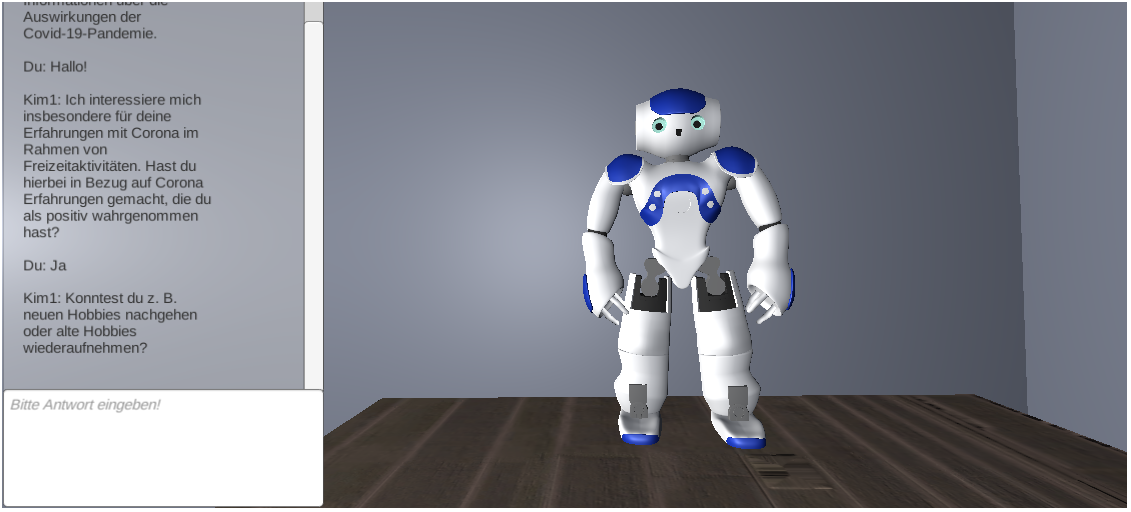
Für Anfragen zum Thema Anthropomorphisierung steht Ihnen unsere Mitarbeiterin Katharina Jahn zur Verfügung.
Gamification beschreibt die Nutzung von Spielelementen in nicht-spielbezogenen Kontexten und gewinnt innerhalb und außerhalb von Lernkontexten zunehmend an Bedeutung. So werden beispielswese zunehmend Gamificationdesignelemente wie Punkte, Auszeichnungen, Bestenlisten, Avatare und narrativen Elemente in Lernanwendungen integriert.
Die bisherige Forschung zu Gamification legt insgesamt einen positiven Effekt der Nutzung von Gamificationdesignelementen auf das Lernen nahe. Die Wirkung von Gamificationdesignelementen im Zeitverlauf, die Nutzung von Adaptivität, die Identifikation der Wirkung einzelner Gamificationdesignelemente sowie deren Interaktion, und theoretische Erklärungsansätze zu Wirkmechanismen wurden bislang allerdings nur unzureichend untersucht.
|
|
|
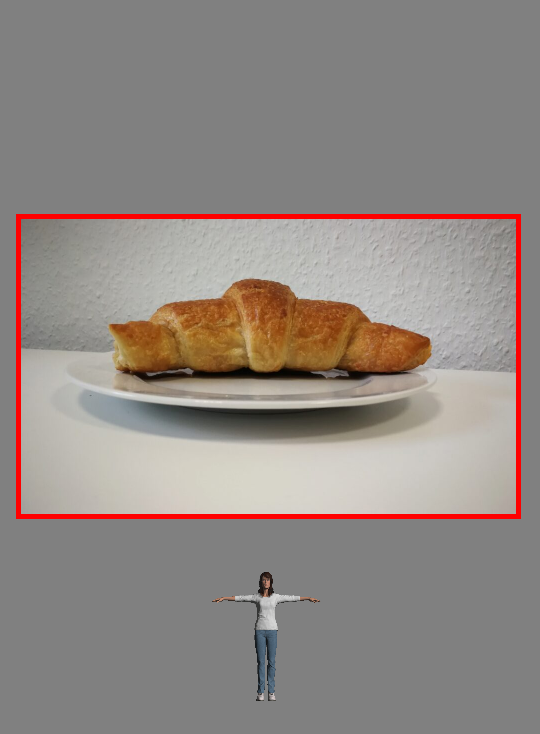

Kredibilität wird als die Glaubwürdigkeit von Informationen definiert und beruht weitgehend auf der Vertrauenswürdigkeit und dem Fachwissen der Informationsquelle oder Nachricht, wie sie vom Informationsempfänger interpretiert wird.
Bei digitalen Agenten ist dies jedoch nicht so einfach oder direkt, da die Quelle der Information nicht mit der des Informationsgebers identisch ist. Das Ziel ist es, herauszufinden, wie Glaubwürdigkeit in digitalen Gesprächsagenten wahrgenommen wird, wie sie in einem solchen Agenten erzeugt werden kann und wie genau ein glaubwürdiger pädagogischer Gesprächsagent gestaltet werden sollte.
Für Anfragen zum Thema Kredibilität steht Ihnen unsere Mitarbeiterin Rewa Tamboli zur Verfügung.
Teachers often embed additional content in their lessons that does not necessarily have an instructional purpose, but is rather intended to arouse the learners' interest and thus increase their motivation to follow the lesson. For example, decorative pictures are presented or interesting anecdotes are told, which have at most a superficial relation to the learning topic. These kind of additions are called seductive details. Contrary to the actual intention, various studies show that seductive details are counterproductive for learning, since they distract from the core content, interrupt processing, or stimulate thought processes that lead to a wrong interpretation of the learning content.
The aim of this research project is to investigate under which conditions seductive details can also have a positive effect on learning performance. External conditions such as the learning context as well as design features of the seductive details themselves are considered and theoretically examined from both a cognitive and a motivational perspective
For inquiries on the topic of seductive details, please contact our colleague Lukas Wesenberg.