

Completed research projects
Scientific exchange in Valencia: research and networking in Spain
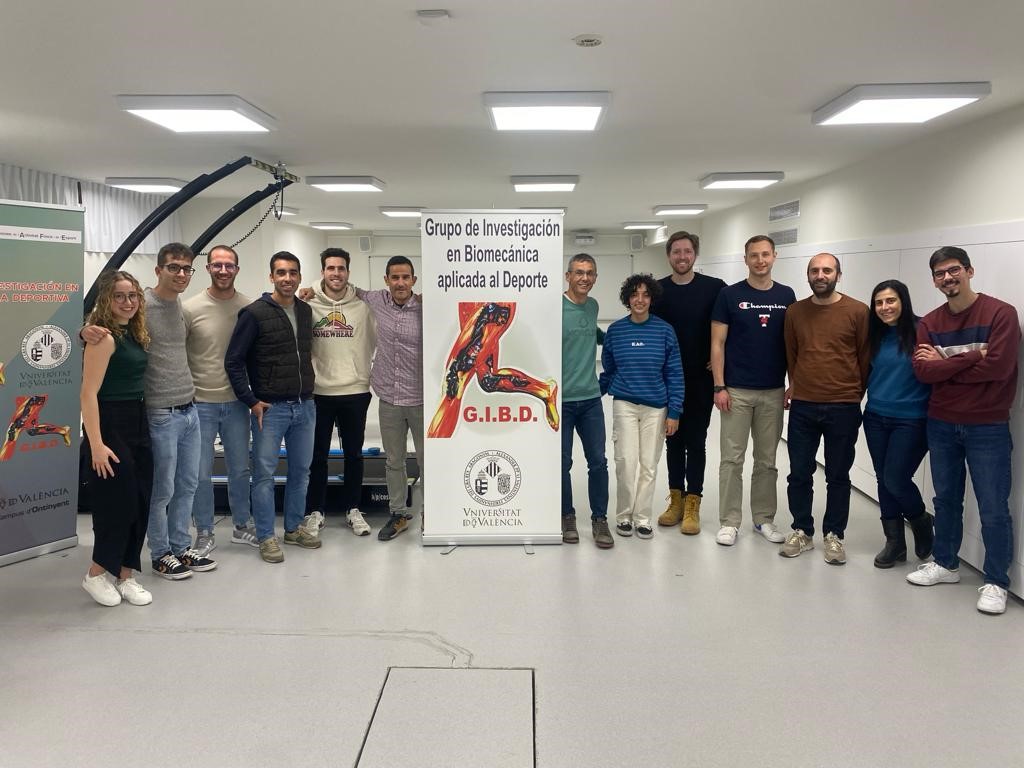
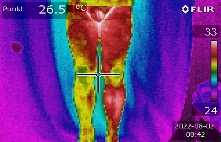
Lukas Verderber is spending two months at the University of Valencia with our cooperation partner, the research group GIBD (Grupo de Investigación en Biomecánica Deportiva), as part of an Erasmus+ funded research internship. During the internship, he will be supervised by Prof. Jose Quesada and Dr. Inmaculada Aparicio. The main aim is to process, analyze and evaluate the data collected during the last stay, which will now be published in a scientific paper. The study will examine the extent to which the surface skin temperature is recorded by three different infrared cameras from the same company before and after an intervention of physical activity. For the first time, a BlackBody Radiation (measuring instrument) was used, which is considered the gold standard for the calibration and standardization of infrared cameras and served as a reference condition in this study.
During his stay in Valencia, Lukas was able to further develop his skills in statistical analysis with R as well as in writing scientific papers. The focus here was on analyzing and evaluating the collected data. Furthermore, the exchange of research experience offers both sides the opportunity to benefit from each other.
Lukas also had the opportunity to visit another partner university in León. Current research work was discussed there, such as the validation of the university's own software for evaluating infrared images and future projects. We would like to thank Erasmus+ for the opportunity to travel to Valencia and for the warm welcome we received there. Based on the successful cooperation so far, further joint projects are planned.
Research stay and exchange in Valencia, Spain
Lukas Verderber is spending three months in Valencia as part of an Erasmus+ funded research internship with our cooperation partner, the research group GIBD (Grupo de Investigación en Biomecánica Deportiva), led by Prof. Jose Quesada and Prof. Inmaculada Aparicio. The aim of this scientific exchange is to impart knowledge in the use of infrared thermography and other measuring instruments such as electromyography and Doppler sonography. Three research projects are currently being carried out on site, with two projects focusing on sports science and the remaining one on the current and future parameters for evaluating thermographic images. The focus during the stay is on data acquisition and evaluation. In addition, both sides can benefit from each other symbiotically through the exchange of previous research experience. Further projects are planned for the future based on the successful collaboration to date.
Daily use also gradually improves language skills. In addition to working at the University of Valencia, there is plenty of time to explore the region and get to know new cultures and customs. With a short settling-in period, life in Valencia is very pleasant, as there are numerous opportunities on offer.
Overall, the research stay has been extremely successful so far. It offers a balanced mix of working at a university research institution, visiting different places and experiencing new things.
Joint work with the Federal University of Santa Catarina (UFSC) and the University of the State of Santa Catarina in Brazil (UDESC)
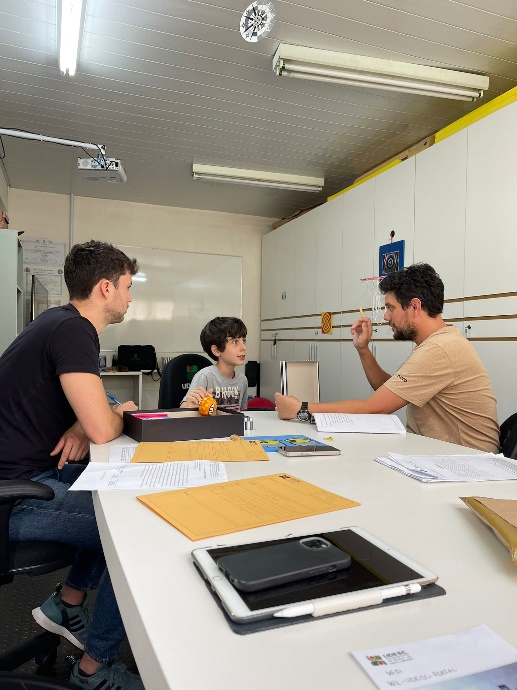
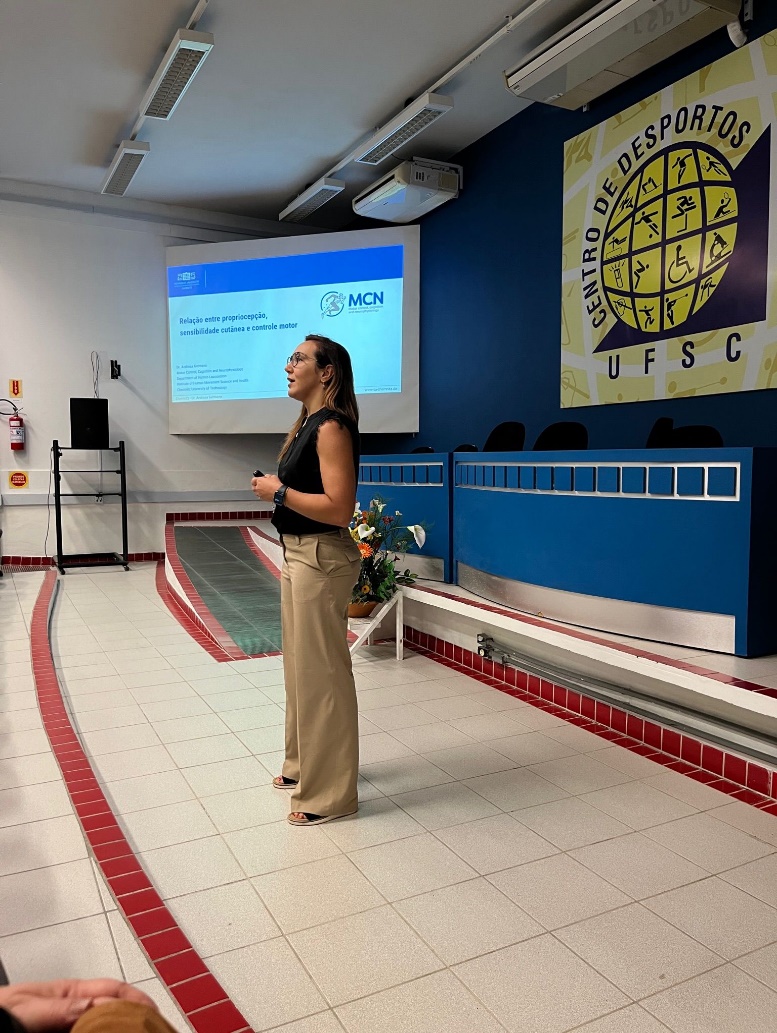
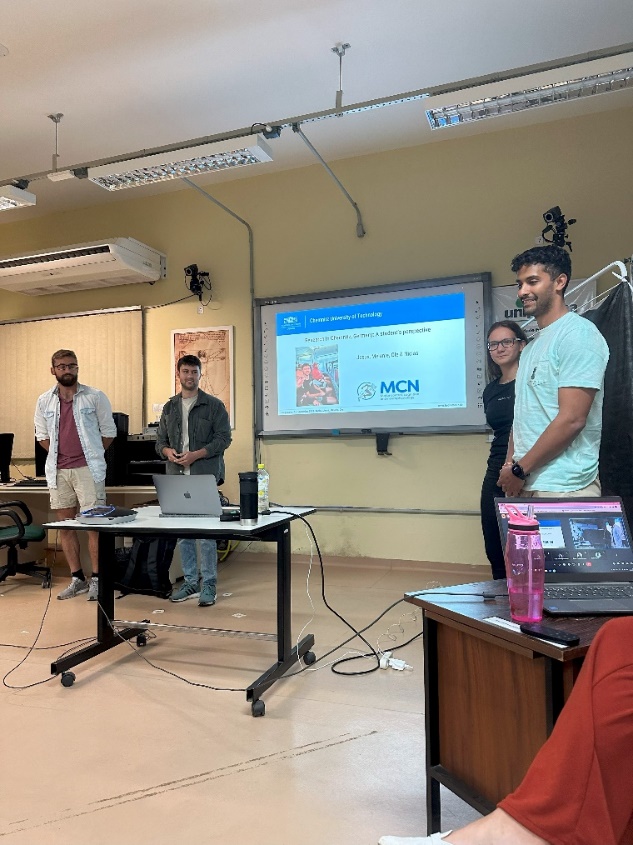
During a business trip to Brazil in September 2023, we visited Prof. Ricardo Pimenta from the Federal University of Santa Catarina and Prof. Francisco Rosa Neto from the Santa Catarina State University in Florianópolis. The main purpose of this visit was the guest lecture by Dr. Andresa Germano entitled “The relationship between proprioception, skin sensitivity and motor control”. In addition, we studied the motor test battery “Motor Development Scale III”, which is used for the early detection of developmental disorders in children. During our stay, we were able to participate in the evaluation of both “typically” developing children and children with developmental disorders such as ADHD and autism.
We are very grateful that Prof. Rosa Neto, the developer of the test battery, has kindly given us the opportunity to use this test battery for future measurements at Chemnitz University of Technology. We are looking forward to the upcoming collaboration and are excited about the new insights we can gain in this area.
Persons involved: Dr. Andresa Germano, Niclas Masuch, Prof. Ricardo Pimenta, Prof. Francisco Rosa Neto
DAAD-PPP research project with the Federal University of Pampa in Brazil
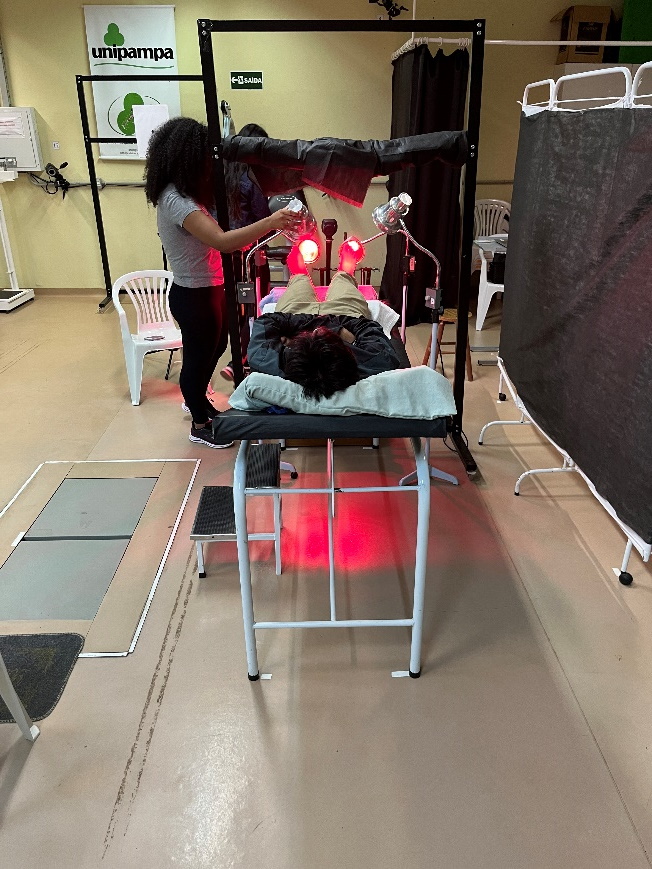
In September 2023, another exchange event took place as part of the DAAD-PPP research project in collaboration with the Federal University of Pampa, further strengthening scientific networking. The host was once again Prof. Felipe Carpes, who was recently elected “President-elect” of the ISB (International Society of Biomechanics). During this exchange, two Master's students and two doctoral students from Chemnitz University of Technology had the opportunity to spend four weeks working scientifically on site and carrying out pilot measurements. In the last week of September, Dr. Germano visited the UNIPAMPA group to give a lecture and to take part in Dr. Carlos de La Fuente's doctoral defense as a reviewer. Together with Prof. Carpes, the next steps of the project were also coordinated.
A particularly interesting activity within the project is the validation of a markerless motion analysis system called “Mokapp” using the VICON system. It is impressive to see that many Bachelor students are already showing a strong interest in science and volunteering to work in Prof. Carpes' lab.
People involved: Dr. Andresa Germano, Dr. Daniel Schmidt, Prof. Dr. Felipe P. Carpes, Jesus Escalona, Niclas Masuch, Ole Grunow, Melanie Strohbach
DAAD-PPP program with Canada: Influence of insoles on muscle activity, proprioception and sensory function
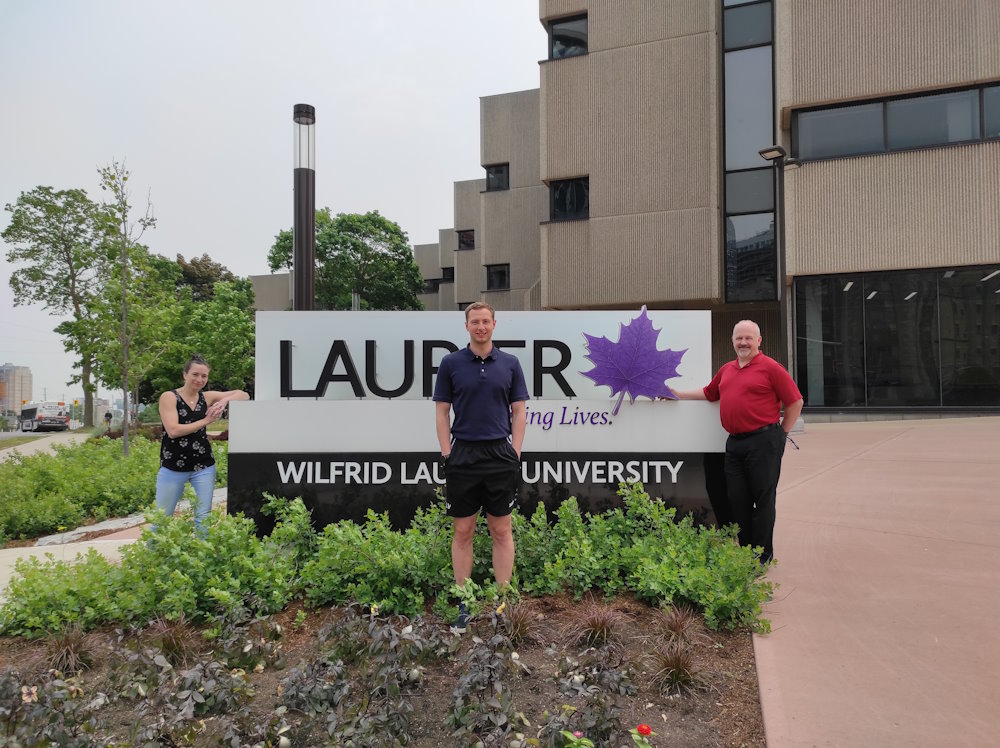
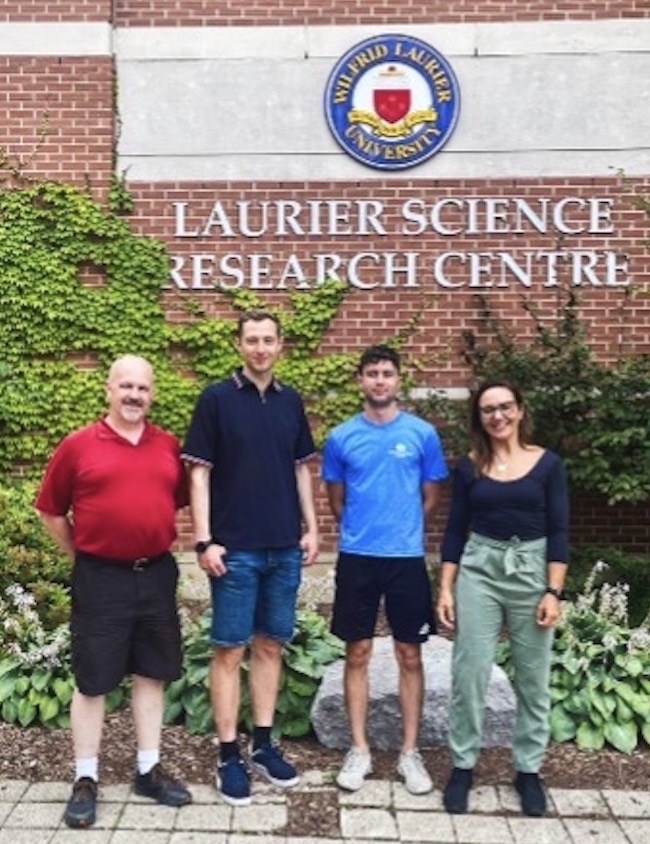
In a second section of one of our studies, the focus was placed on evaluating the data collected in the first section. A master's student from Chemnitz University of Technology, Lukas Verderber, was personally present at Wilfrid Laurier University from 03.05 to 10.06.2023 to drive this process forward. In addition to conducting lab work, there was also a notable highlight, which was attending a conference on human biomechanics at the University of Waterloo. This visit allowed us to network with other researchers and gather new ideas for future studies.
We then continued the scientific exchange and had the honor of welcoming Dr. Kelly Robb to Chemnitz University of Technology from 12.06 to 28.07.2023. During her stay, the research methods were finalized, pilot measurements were carried out and finally the actual data collection was carried out and successfully completed. Particular attention was paid to the influence of shoe soles on muscle activity, proprioception and sensor technology. In addition, a joint research proposal was developed and submitted during this period.
People involved: Dr. Andresa Germano, Dr. Daniel Schmidt, Prof. Stephen Perry, Dr. Kelly Robb, Lukas Verderber
Investigation of asymmetries in amateur soccer players
In a current project, in cooperation with Dr. Dr. Nitzsche from the Chair of Sports Medicine / Sports Biology, we are investigating possible asymmetries in amateur soccer players using thermography, jumping performance and tendon stiffness.
The study has several objectives, one of which is to analyze possible differences between the lower limbs in relation to the above-mentioned parameters. The investigation of asymmetries can help to prevent injuries.
Another objective is to investigate the correlation between the analyzed parameters. It is assumed that the stiffness of the tendon and the body temperature of the lower extremities have an influence on jumping performance (drop jump).
Based on these initial investigations, further measurements with different populations will be carried out in the future in order to obtain further information on the target parameters.
People involved: Eric Meisner, Lukas Verderber, Dr. Daniel Schmidt, Dr. Andresa Germano, Dr. Dr. Nico Nitzsche
Influence of an acute intervention on the ability to balance
After a delay due to the pandemic, the first staff exchange took place at the end of 2021 as part of the DAAD-funded project with another partner university, UNIPAMPA (Uruguaiana, Brazil). The focus of this collaboration is on human balance and various influencing factors. Deepening knowledge in this area is extremely relevant, as it can lead to better support for people with limited balance ability.
The knowledge base was created during this first staff exchange, in which members of our working group, together with the Brazilian group, investigated the influence of warming the sole of the foot on balance.
In a second study, cognitive tasks were included in addition to the balance tests in order to increase the level of difficulty and thus gain further insights.
Future staff exchanges are also planned within the project in conjunction with further studies in order to enable students to gain practical experience and international experience.
Investigating asymmetries in soccer with the help of thermography
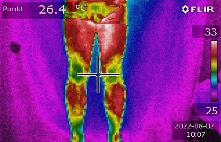
In a current project, infrared thermography is being used as a measurement method for load control in junior competitive soccer. Based on the physiological mechanisms of energy release, there is a correlation between changes in surface skin temperature and physical strain and/or overload. The resulting thermal radiation can be visualized using an infrared camera. As a tool in competitive sports, this method is therefore suitable for identifying signs of overload.
- Is infrared thermography suitable for load control in competitive sport?
- Can asymmetries of the lower extremities be detected by thermography?
- Are there correlations between skin surface temperatures and lack of regeneration?
- Are there correlations between skin surface temperatures and pain and injuries?
In the future, further projects in the field of infrared thermography will be carried out to investigate other areas of application in competitive sport.
People involved: Dr. Andresa Germano, Dr. Daniel Schmidt, Lukas Verderber
Ankle proprioception, balance control, gait, and functional neuroimaging using textured insoles in young and older people
DAAD-PPP Programme for Project-Related Personal Exchange (2022-2023) with Canada
Studies in Canada:
The DAAD-funded project with Wilfrid Laurier University (Waterloo, Canada) enables the establishment of a scientific partnership with the Canadian partner university. The project also provides for an exchange of knowledge, e.g. on measuring methods and equipment. There will also be an exchange of scientists and students so that they can gain important experience abroad and establish or strengthen international contacts.
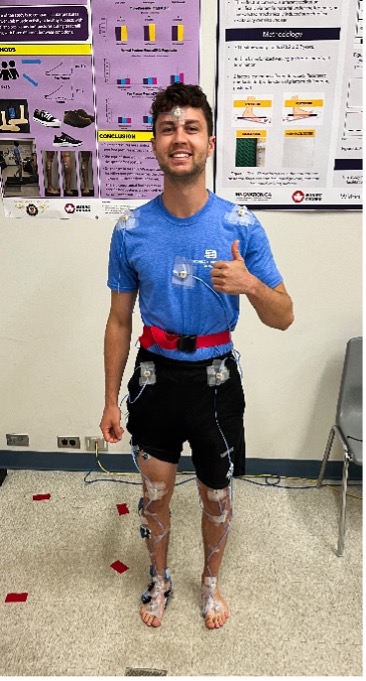 In the first part of the project, two students from Chemnitz University of Technology were able to take part in a study in Canada.
The aim of the study was to gain a better understanding of the behavior of the intrinsic foot muscles during gait initiation and
termination. In addition to surface EMG sensors and optical markers, the test subjects were also instrumented with invasive EMG
sensors. The latter are particularly interesting for our field of work, as this measurement method is currently not feasible for us,
but nevertheless provides important insights into the human musculoskeletal system. Another component of the measurements are special
insoles with textures that are intended to increase the sensitivity of the plantar foot mechanoreceptors during gait.
In the first part of the project, two students from Chemnitz University of Technology were able to take part in a study in Canada.
The aim of the study was to gain a better understanding of the behavior of the intrinsic foot muscles during gait initiation and
termination. In addition to surface EMG sensors and optical markers, the test subjects were also instrumented with invasive EMG
sensors. The latter are particularly interesting for our field of work, as this measurement method is currently not feasible for us,
but nevertheless provides important insights into the human musculoskeletal system. Another component of the measurements are special
insoles with textures that are intended to increase the sensitivity of the plantar foot mechanoreceptors during gait.
A further study together with a staff exchange is planned for 2023.
People involved: Dr. Andresa Germano, Dr. Daniel Schmidt, Prof. Stephen Perry, Dr. Kelly Robb, Lukas Verderber, Niclas Masuch
Studies in Germany:
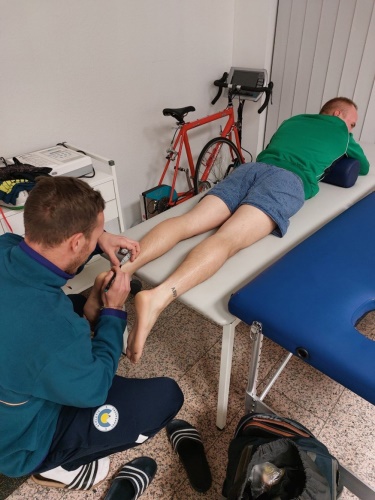
Within this project, proprioception at the ankle joint is being investigated using the Joint Position Reproduction method (JPR). Proprioception generally has a major influence on the ability to balance in humans and, according to the literature, the receptors at the ankle joint play an enormous role in this. This topic is therefore of great importance for older people and competitive athletes, for example. A novel aspect of the study is the measurement in an upright position, whereas previous studies were carried out in a sitting or lying position. The aim is to test a measurement method that is closer to the actual environmental influences in everyday life.
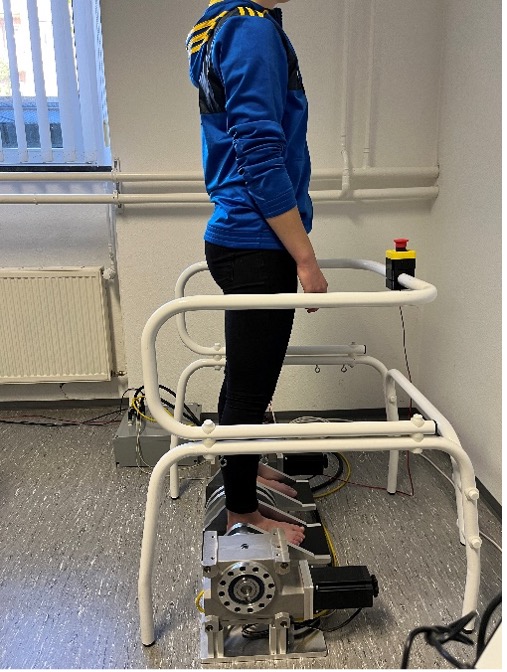 Before investigating the factors that can influence proprioception, the reliability of the new devices (specially designed for this project)
should be tested in an initial study by the partnership. We also aim to examine the relationship between proprioception and the “Limits of Stability” balance test.
Before investigating the factors that can influence proprioception, the reliability of the new devices (specially designed for this project)
should be tested in an initial study by the partnership. We also aim to examine the relationship between proprioception and the “Limits of Stability” balance test.
A study is planned for 2023 to investigate the effects of using insoles on proprioception. Canadian scientists are to travel to Chemnitz for this study.
People involved: Dr. Andresa Germano, Dr. Daniel Schmidt, Prof. Stephen Perry, Dr. Kelly Robb, Niclas Masuch, Michelle Pavek, Iris Birkner
PAMI research project
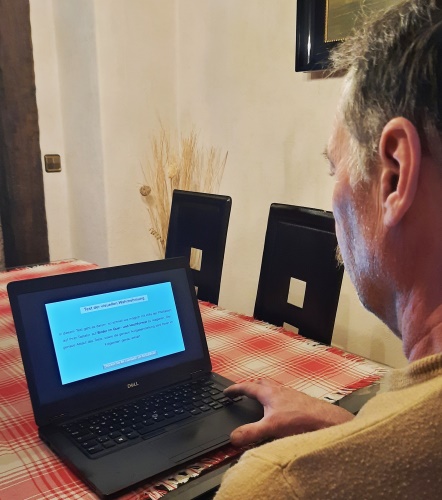
The motor function, cognition and neurophysiology working group is currently investigating a way to improve the quality of life of older adults in the PAMI research project led by Dr. Nicole Hudl. As part of a web-based online study, participants are being examined on at least 2 days using a visual perception test. The results should reveal basic mechanisms of action that have a significant influence on various everyday activities and tasks, especially in older adulthood.
The project duration is December 2020 to September 2021. Test subject performing the perception test on the computer
People involved:
- Dr. Nicole Hudl (project coordinator)
- Karen Mersiovsky
- Anne Rudolph (Master's student)
- Marie Verbeek (Master's student)
- Michelle Pavek (Master's student)
- Leona Freudenberg (Bachelor student)
Effects of acute sensory interventions on balance, sensitivity, and foot coordination in obese elderly

DAAD-PPP Programme for Project-Related Personal Exchange (starting in 2020) with Brazil
Our project exhibits social and scientific relevance in terms of scientific tools to improve quality of life for the elderly. Aging impairs motor control (balance, gait, etc.), and the underlying sensory systems (foot sensitivity, visual system, etc.). Consequently, the risk of falls is drastically increased in the older adults. Obesity also impairs functions of neuromuscular and sensory systems, e.g. postural stability, impaired foot sensitivity, and decreased muscle strength. When aging and obesity are combined, the impairments are likely to become worse, exhibiting importance regarding activities of daily life.
The relevance of this project also becomes apparent when looking at the worldwide population of obese elderly, which nearly tripled between 1975 and 2016. Similarly, Germany and Brazil present the same number of obese people exceeding 18%. The Brazilian Ministry of Health indicates that 54% of the population are overweight, while in Germany approx. 36% are overweight according to the Robert-Koch-Institute. The prognosis is even more drastic: By 2030, 51% of the world population is expected to be obese, causing enormous healthcare costs.
As already mentioned, obese elderly exhibit impaired balance capabilities and foot sensitivity. Since foot sensitivity influences balance behavior, the aim is to investigate the effects of different sensory manipulation techniques to improve foot sensitivity, reducing balance instability and the risk of falls in obese elderly. The innovative character of this project is also based on our suggestions to develop a low-cost intervention to manipulate and improve foot sensitivity. Such a manipulation could also be useful for other aging groups and metabolic dysfunctions. In terms of industrial expectations, a low-cost sensory manipulation device for the foot may be developed as a commercially available product for the health sector.
Dr. Andresa Germano
Prof. Dr. Felipe P. Carpes (Federal University of Pampa)
Daniel Schmidt