
Computational & Statistical Physics
News
- Publications
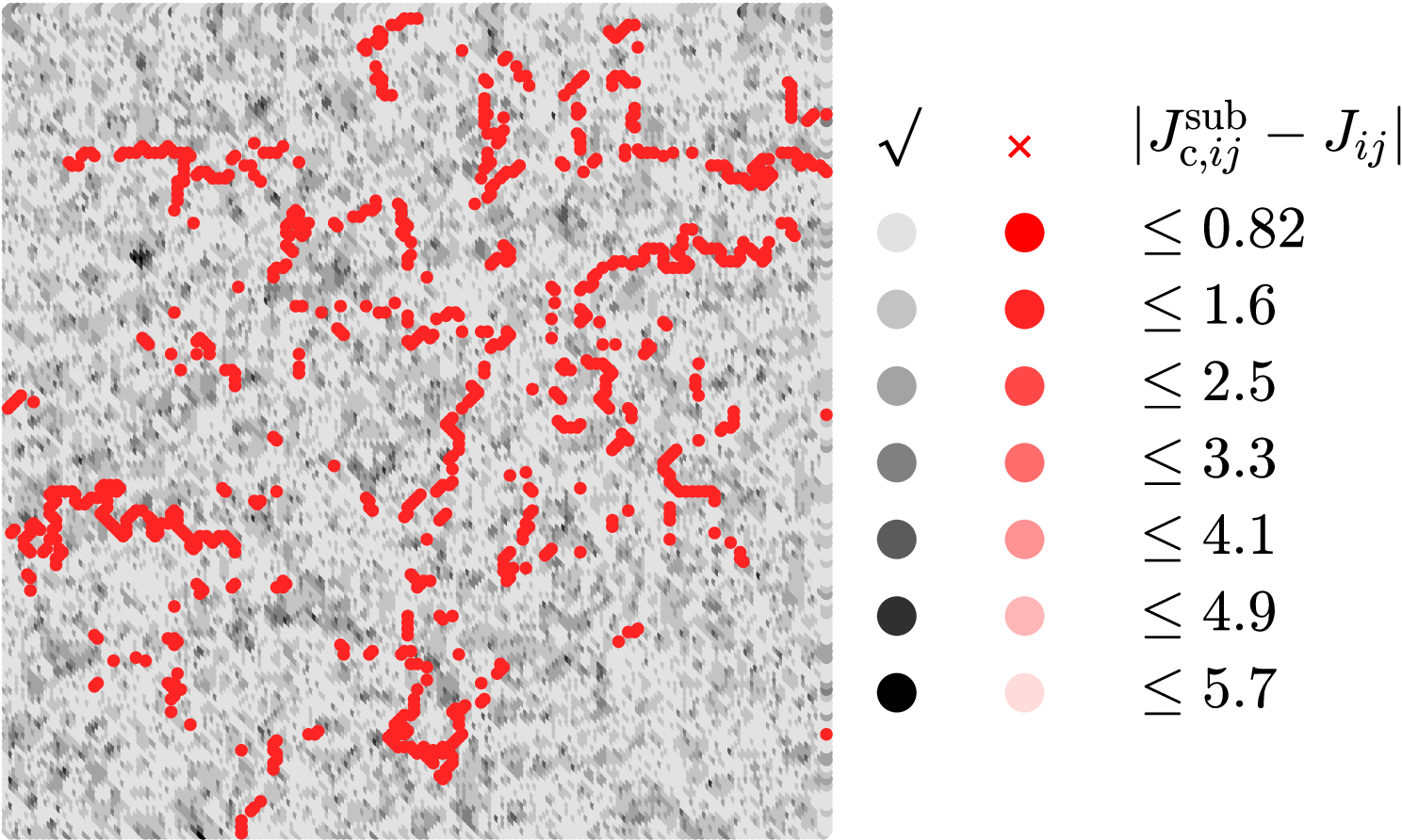 Local prediction and distance from the critical threshold
In a collaboration with researchers from Indiana University, the University of Illinois at Urbana-Champaign and Washington University St. Louis we introduced a new classification of algorithmic complexity viewed from a local perspective. Using local prediction techniques we can thus construct a reduction solver for hard global optimization problems for example in frustrated spin systems.
- Veranstaltungen
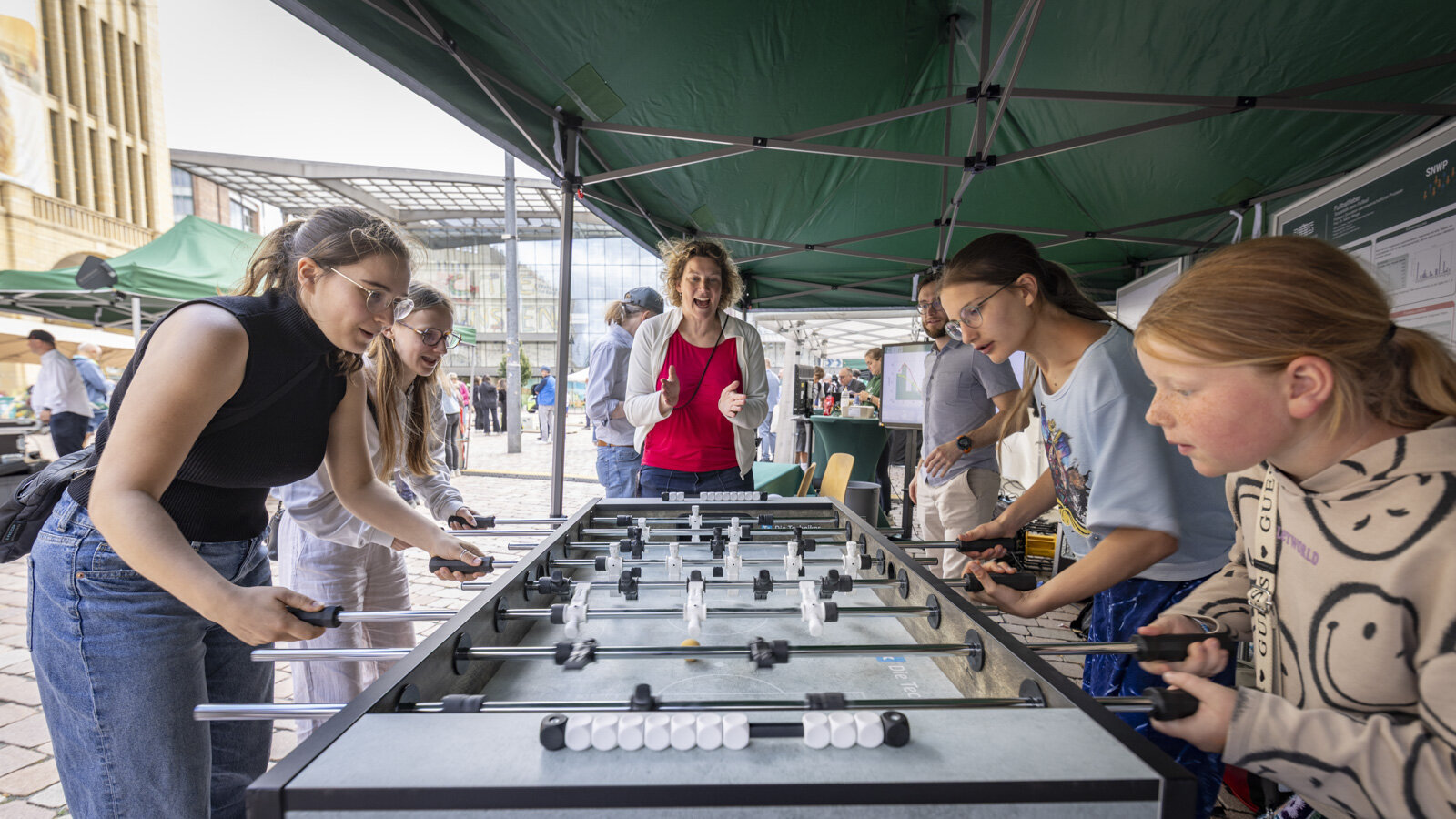 Football fever on the market square
TUC Researchers mainly from natural sciences presented fun science findings and interactive exhibits at Chemnitz' market square on the last day of term. This included our own booth on football fever at the world cup.
- Events
 From Topology to Disorder: Innovations in understanding complex spin systems
International Workshop in Collaboration with the Indian Institute of Technology Delhi on correlations and disorder in condensed-matter systems.
- Publications
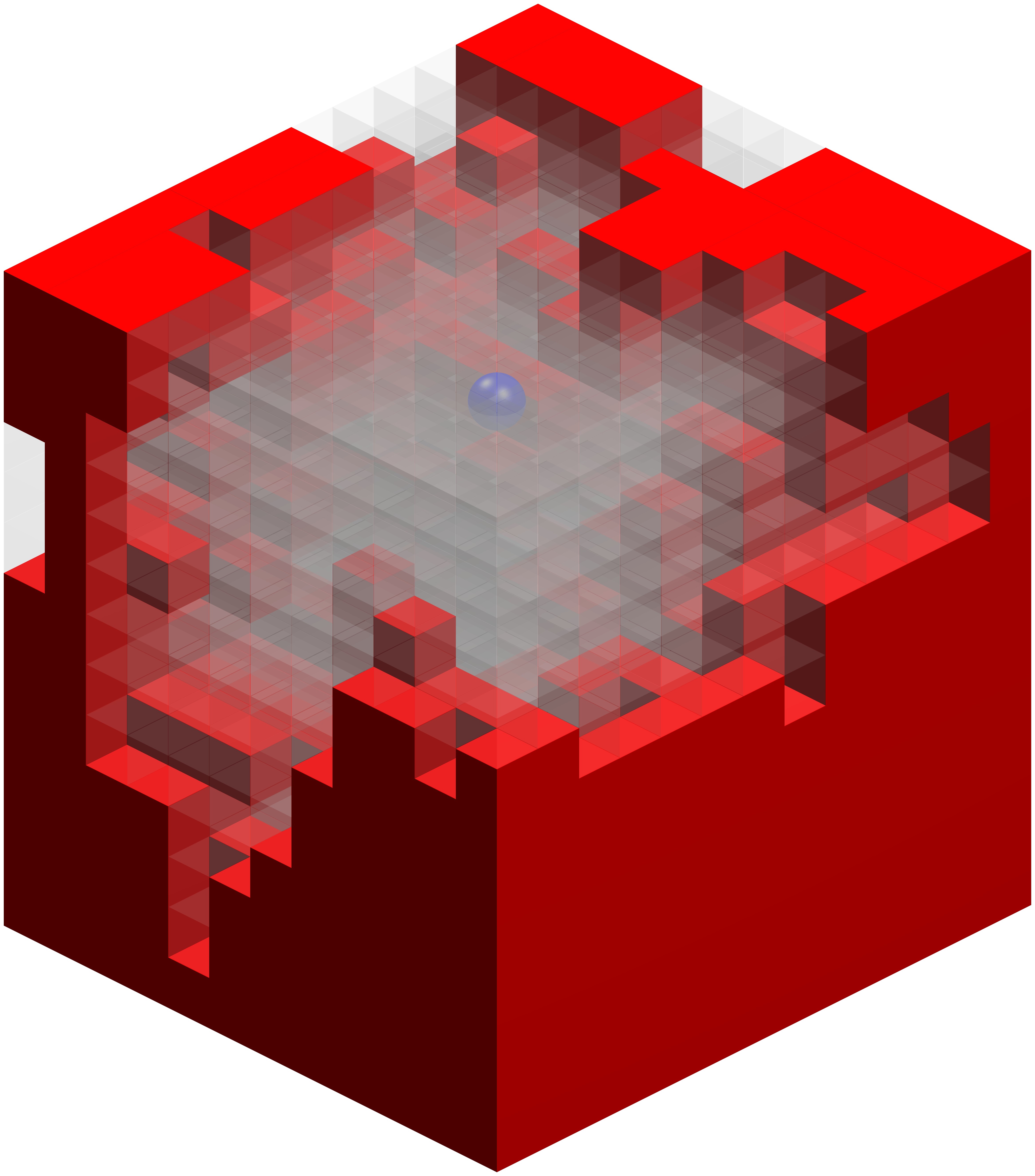 New class of excitation sin spin glasses discovered
In a joint study with reserchers at Harvard University, Washington University St. Louis, and Indiana University we have disocvered a new type of low-temperature excitations in spin glasses. These zero-energy droplets occupy the middle ground between the established pictures of the spin-glas phase and hence open new avenues for an understanding of spin-glass physics.
- Events
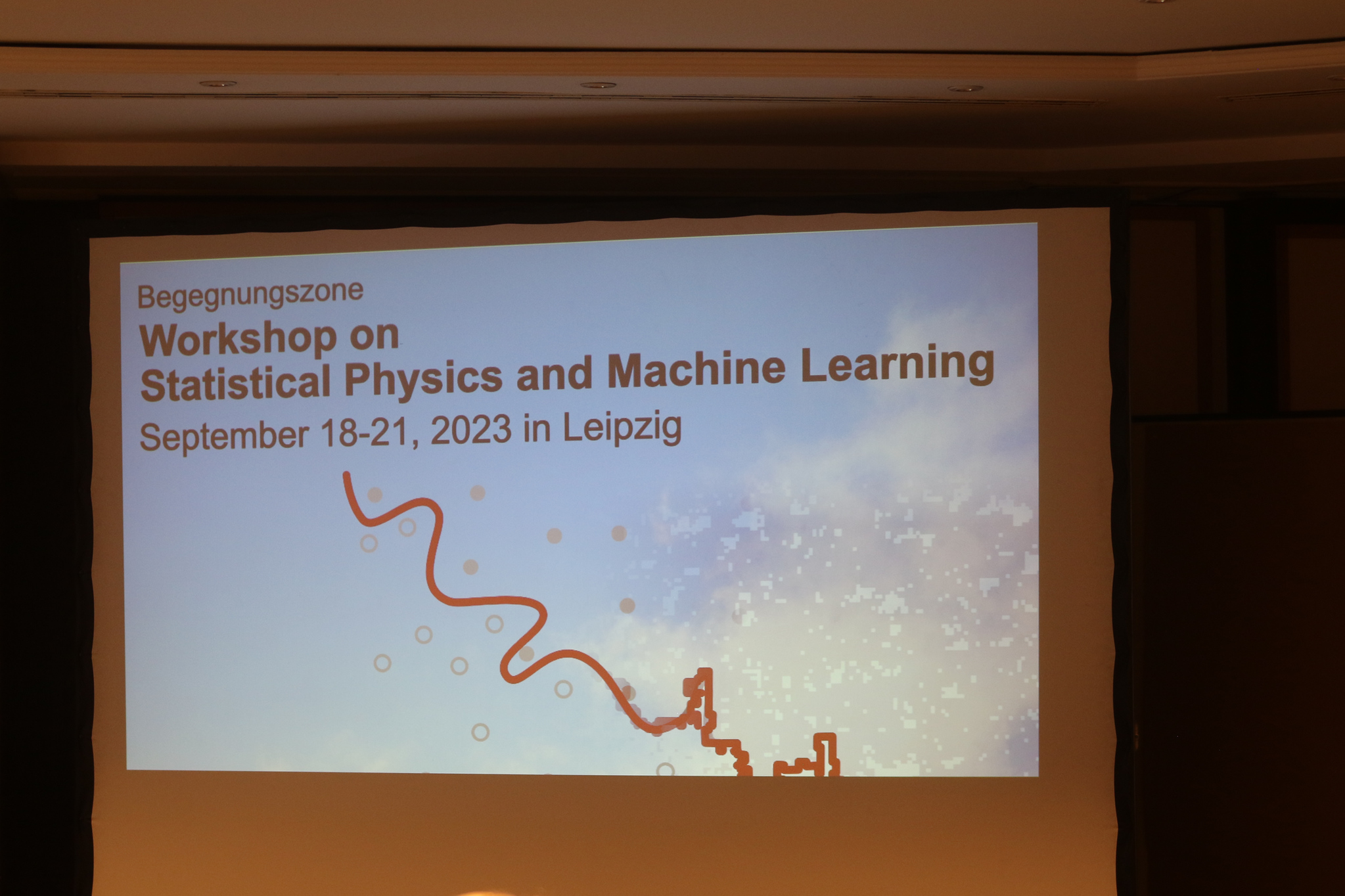 Begegnungszone: Statistical Physics and Machine Learning
International Workshop in Collaboration with the Max Planck Institute for Dynamics and Self-Organization Explores Synergies between Statistical Physics and Artificial Intelligence
Group head
Prof. Dr. Martin Weigel
Phone: +49 371 531-34570Fax: +49 371 531-834570
Office: P211 (C60.211)
Email: martin.weigel@…
Web: Personal website
Scholar: Google Scholar

Admin office
Angelique Kotarsky
Phone: +49 371 531-33212Fax: +49 371 531-833212
Office: P210 (C60.210)
Email: a.gaida@…