Block II: Digital Processes
In the second block, which began on November 25 , 2019 , the students dealt with the technologies of digital processes . The technical director here is Ummay Ubaida Shegupta, M.Ed. .

In the second block, which began on November 25 , 2019 , the students dealt with the technologies of digital processes . The technical director here is Ummay Ubaida Shegupta, M.Ed. .
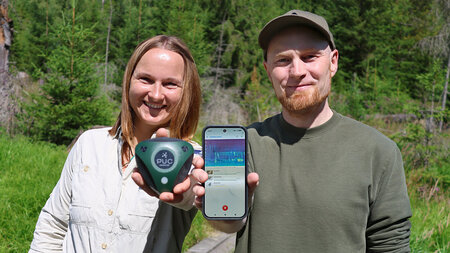
Professional bioacoustics in your pocket: The new BirdNET Live app is revolutionising the monitoring of animal calls. Its AI works without an internet connection and recognises more species than other apps. …
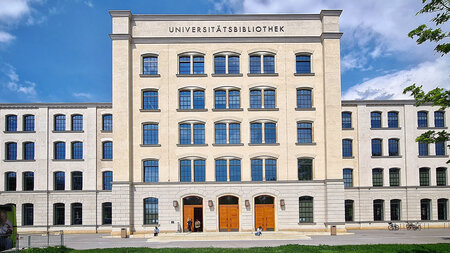
Extended opening hours, opening on Sundays and additional reservable teamwork spaces in the University Library during the examination period from July 6 to August 15, 2026 …
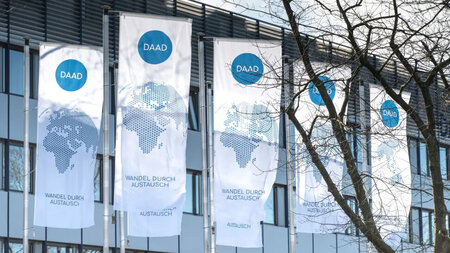
TU Chemnitz succeeds in highly competitive DAAD "Academic Horizons" call …
Until May 15, 2026, students at Chemnitz University of Technology have the opportunity to actively help shape their study conditions as part of a university-wide online survey. …
This lecture presents wireless medical microrobots for targeted, minimally …
The Chemnitz summer school has been a tradition since 2006. Five invited …
The aim of the symposium is to bring together scientists from the field of …
New students are greeted each year at the beginning of the winter semester in a cherished …
The TUCgraduate Day brings together prospective doctoral candidates, doctoral researchers, …