Start Page
Latest Press Article
Logos







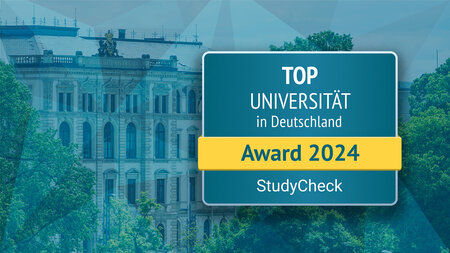
Chemnitz University of Technology receives a "StudyCheck Award 2024" and the "Top University 2024" certificate thanks to the very positive evaluations from its students and alumni – Additionally, Chemnitz University of Technology is the top state university in the live "Digital Readiness" ranking …

From April 23 on, the University Library presents “book gems“ of its „Historical Collections“ within an exhibition and on the occasion of the TUCday at April 27, 2024 …
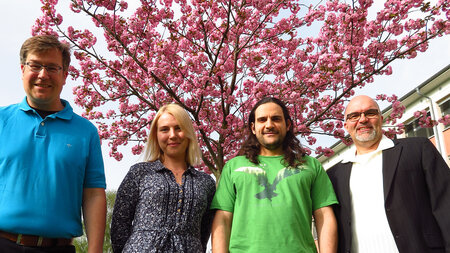
A celebration of scientific exchange: young scientists Maria Saladina and Fabian Samad will meet Physics Nobel Laureates in Lindau from June 30, 2024 onwards, and have the opportunity to network with other young scientists from around the world …

Prof. Tom Stanley (Deakin Business School, Australia) will hold the Commerzbank Endowed Professorship at the Faculty of Economics and Business Administration from April 8 to 29, 2024 - Public lecture April 16th, 2024 …

New textbook on authors who have contributed to the development of Indian English literature over the last fifty years …
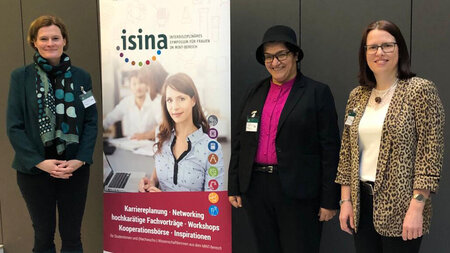
Great interest in the Interdisciplinary Symposium for Women in STEM (ISINA), which focused on networking and cooperation between science and practice …
Follow in old footsteps, meet former fellow students, teachers and colleagues and explore the …
Discover your future, study in the European Capital of Culture 2025. No matter whether you are …
We would like to invite you to our game evening! Whether you're an expert at Monopoly or just fancy …
Get in contact with interesting regional and nationwide employers. You have the possibility to find …
The Graduation Celebration is one of the most beloved traditions at the TU Chemnitz. Brand new …